Can a Vacuum Slurry Pump handle corrosive slurries?
Hey there! I'm a supplier of vacuum slurry pumps, and I often get asked this question: Can a vacuum slurry pump handle corrosive slurries? Well, let's dive right in and find out.
First off, let's understand what we're talking about. A vacuum slurry pump is a piece of equipment designed to move slurries - that's a mixture of solids and liquids - from one place to another. Corrosive slurries, on the other hand, are slurries that contain chemicals or substances that can eat away at materials over time. Think of things like acidic or alkaline solutions with solid particles suspended in them.
So, can a vacuum slurry pump handle these corrosive slurries? The answer is, it depends. There are a few factors that come into play here.
Material of Construction
One of the most important factors is the material the pump is made of. Different materials have different levels of resistance to corrosion. For example, some pumps are made of cast iron. Cast iron is a common and relatively inexpensive material, but it's not very resistant to corrosion. If you use a cast - iron vacuum slurry pump to handle highly corrosive slurries, it's going to start wearing out pretty quickly. The acid or alkali in the slurry will react with the iron, causing it to rust and deteriorate.
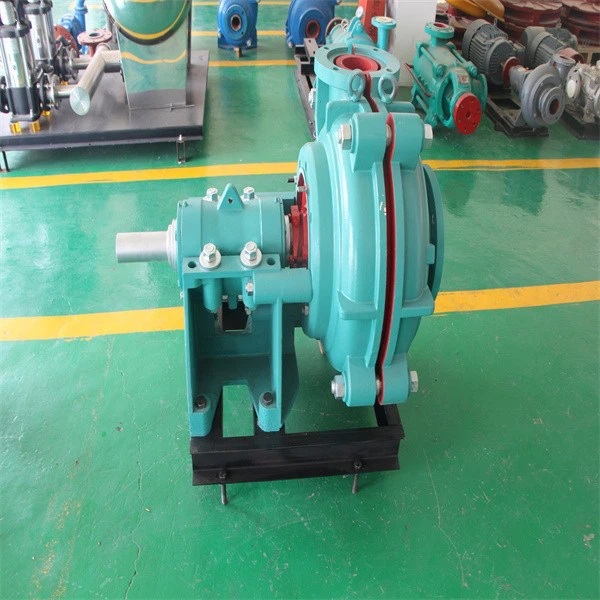
On the other hand, there are pumps made of more corrosion - resistant materials. For instance, some pumps are made of stainless steel. Stainless steel contains chromium, which forms a thin, protective layer on the surface of the metal. This layer helps prevent the metal from reacting with the corrosive substances in the slurry. There are also pumps made of special polymers or rubber linings. These materials can be highly resistant to a wide range of corrosive chemicals. So, if you're dealing with corrosive slurries, it's crucial to choose a pump made of the right material. You can check out our Ah Slurry Pump, which is available in different materials to suit various applications.
Slurry Concentration and Composition
The concentration and composition of the corrosive slurry also matter. If the slurry has a high concentration of corrosive substances, it's going to be more aggressive towards the pump. For example, a slurry with a high percentage of sulfuric acid is going to be much more corrosive than a slurry with just a small amount of acid.
The type of solids in the slurry can also affect the pump's performance. Some solids can be abrasive, and when combined with a corrosive liquid, they can cause even more damage to the pump. The abrasive solids can scratch the surface of the pump, exposing fresh metal to the corrosive chemicals. This can accelerate the corrosion process.
Operating Conditions
The operating conditions of the pump are another key factor. Things like temperature, pressure, and flow rate can all have an impact on how well the pump can handle corrosive slurries. Higher temperatures generally increase the rate of corrosion. If the slurry is being pumped at a high temperature, the chemical reactions between the slurry and the pump material will happen more quickly.
Pressure can also play a role. High - pressure pumping can cause the slurry to flow more forcefully through the pump, which can increase the wear and tear on the pump components. And if the flow rate is too high, it can cause cavitation. Cavitation is when bubbles form in the liquid and then collapse, creating shock waves that can damage the pump.
Our Solutions
As a vacuum slurry pump supplier, we have a range of pumps that are designed to handle corrosive slurries. We offer pumps with different materials of construction, so you can choose the one that's best suited to your specific slurry. For example, our Industrial Sludge Pump can be customized with corrosion - resistant materials to handle various industrial sludge with corrosive properties.
We also provide pumps with different designs to optimize performance under different operating conditions. Our engineers can work with you to understand your requirements and recommend the right pump for your application. Whether you're dealing with a low - concentration, mildly corrosive slurry or a high - concentration, highly aggressive one, we've got a solution for you.
Another option we have is our Portable Slurry Pump. This pump is great for applications where you need to move corrosive slurries in different locations. It's easy to transport and set up, and it can be configured with the right materials to resist corrosion.
Maintenance and Monitoring
Even if you choose the right pump for handling corrosive slurries, proper maintenance and monitoring are essential. Regularly inspect the pump for signs of corrosion or wear. Check the seals, gaskets, and other components to make sure they're in good condition. If you notice any issues, address them immediately.
Monitoring the operating conditions of the pump is also important. Keep an eye on the temperature, pressure, and flow rate. If any of these parameters deviate from the normal range, it could be a sign of a problem. By taking proactive steps to maintain and monitor the pump, you can extend its lifespan and ensure it continues to perform well.
Conclusion
So, to answer the question, yes, a vacuum slurry pump can handle corrosive slurries, but it's not a one - size - fits - all situation. You need to consider the material of construction, the concentration and composition of the slurry, and the operating conditions. As a supplier, we're here to help you make the right choice. If you're in the market for a vacuum slurry pump to handle corrosive slurries, don't hesitate to reach out to us. We can provide you with detailed information, technical support, and help you find the perfect pump for your needs. Let's work together to solve your slurry - handling challenges!
References

- "Slurry Pump Handbook" by an industry expert group
- Technical papers on corrosion resistance of pump materials from leading research institutions