Can a vertical pipeline pump be used for oil transfer? This is a question that often comes up in the industrial sector, especially among those involved in the handling and transportation of various fluids, including oil. As a supplier of vertical pipeline pumps, I am frequently asked about the suitability of our pumps for oil transfer applications. In this blog post, I will delve into this topic, exploring the technical aspects, advantages, and limitations of using vertical pipeline pumps for oil transfer.
Technical Considerations
To understand whether a vertical pipeline pump can be used for oil transfer, we first need to look at the technical characteristics of both the pump and the oil. Vertical pipeline pumps are designed to be installed directly in the pipeline, with a vertical orientation. They are typically single - stage, centrifugal pumps that are known for their compact design, high efficiency, and easy installation.
Oil, on the other hand, has different properties depending on its type. Crude oil, for example, can have a wide range of viscosities, densities, and chemical compositions. Refined oils, such as gasoline, diesel, and lubricating oils, also have their own unique properties. The viscosity of oil is a crucial factor when considering pump selection. High - viscosity oils require pumps that can generate sufficient pressure to overcome the resistance caused by the thick fluid.
Most vertical pipeline pumps are designed for low - to medium - viscosity fluids. Their impellers are optimized to handle fluids with viscosities similar to water. However, some models can be modified or specifically designed to handle higher - viscosity oils. The key lies in the pump's hydraulic design, including the shape and size of the impeller, the volute, and the flow passages. A well - designed impeller can generate enough centrifugal force to move the oil through the pump and into the pipeline.
Advantages of Using Vertical Pipeline Pumps for Oil Transfer
- Compact Design: Vertical pipeline pumps have a small footprint, which is ideal for installations where space is limited. In oil transfer applications, especially in refineries or storage facilities, space can be at a premium. The vertical orientation allows the pump to be installed directly in the pipeline, eliminating the need for large pump rooms or extensive piping arrangements.
- High Efficiency: Modern vertical pipeline pumps are designed with advanced hydraulic technologies to ensure high efficiency. This means that they can transfer oil with less energy consumption, resulting in cost savings over the long term. For large - scale oil transfer operations, even a small increase in efficiency can translate into significant savings in energy costs.
- Easy Installation and Maintenance: Installing a vertical pipeline pump is relatively straightforward. It can be directly connected to the pipeline, reducing installation time and costs. Maintenance is also simplified, as most parts of the pump are easily accessible. This is important in oil transfer applications, where downtime can be costly. Quick and easy maintenance ensures that the pump can be back in operation as soon as possible.
- Versatility: Some vertical pipeline pumps can be used for a variety of fluids, including different types of oils. By adjusting the pump's speed or using different impellers, the same pump can be adapted to handle different viscosities and flow rates. This versatility makes vertical pipeline pumps a cost - effective solution for oil transfer operations that deal with multiple types of oils.
Limitations of Using Vertical Pipeline Pumps for Oil Transfer
- Viscosity Limitations: As mentioned earlier, most standard vertical pipeline pumps are designed for low - to medium - viscosity fluids. High - viscosity oils can cause problems such as reduced flow rates, increased power consumption, and premature wear of the pump components. In some cases, the pump may not be able to generate enough pressure to move the oil through the pipeline.
- Temperature Sensitivity: Oil transfer often involves handling fluids at elevated temperatures. Some vertical pipeline pumps may not be suitable for high - temperature applications. The materials used in the pump construction may expand or deform at high temperatures, leading to leaks or reduced performance. Special materials and designs are required to ensure the pump can operate safely and efficiently at high temperatures.
- Cavitation Risk: Cavitation can occur when the pressure in the pump drops below the vapor pressure of the oil. This can cause the formation of vapor bubbles, which can damage the pump impeller and other components. In oil transfer applications, cavitation can be a particular concern, especially when dealing with high - flow rates or low - pressure systems. Proper pump selection and system design are necessary to minimize the risk of cavitation.
Other Pump Options for Oil Transfer
While vertical pipeline pumps have their advantages and limitations, there are other types of pumps that are commonly used for oil transfer. For example, the S Double Suction Pump is a popular choice for large - scale oil transfer applications. It is designed to handle high - flow rates and can be used for both low - and high - viscosity oils. The double - suction design provides better balance and efficiency, making it suitable for continuous operation.
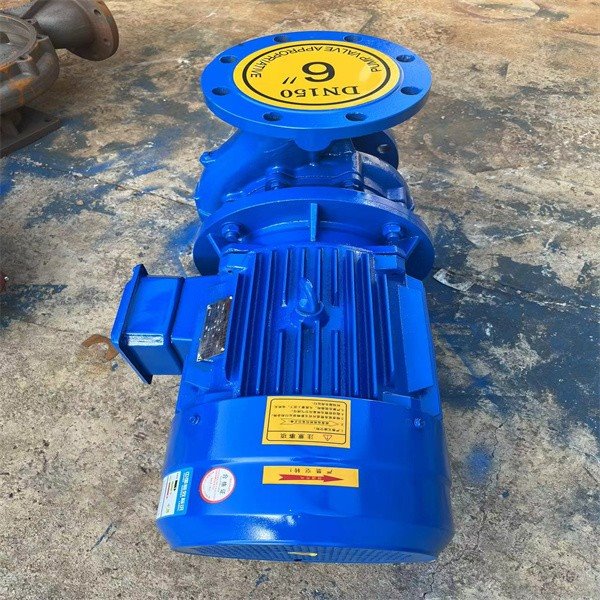

The WQ Submersible Sewage Pump is another option, although it is more commonly used for handling sewage and wastewater. However, some models can be adapted for oil transfer, especially in applications where the oil is mixed with other fluids or where submersible operation is required.
The Horizontal Pipeline Pump is similar to the vertical pipeline pump but has a horizontal orientation. It is often used in applications where the pipeline layout is more suitable for a horizontal installation. Horizontal pipeline pumps can also be designed to handle different viscosities and flow rates, making them a versatile option for oil transfer.
Conclusion
In conclusion, a vertical pipeline pump can be used for oil transfer, but it depends on several factors, including the viscosity of the oil, the temperature of the fluid, and the specific requirements of the application. While vertical pipeline pumps offer advantages such as compact design, high efficiency, and easy installation, they also have limitations, especially when it comes to high - viscosity oils and high - temperature applications.
If you are considering using a vertical pipeline pump for oil transfer, it is important to consult with a pump expert. We, as a vertical pipeline pump supplier, have the knowledge and experience to help you select the right pump for your specific needs. Our team can assess your application requirements, including the type of oil, the flow rate, the pressure, and the temperature, and recommend the most suitable pump model.
Whether you need a standard vertical pipeline pump or a custom - designed solution, we are here to assist you. Contact us today to discuss your oil transfer needs and explore how our vertical pipeline pumps can meet your requirements. We look forward to working with you to find the best pump solution for your oil transfer operations.
References
- "Pump Handbook" by Igor J. Karassik, Joseph P. Messina, Paul Cooper, and Charles C. Heald.
- "Centrifugal Pumps: Design and Application" by Heinz P. Bloch and Fred K. Geitner.
- Industry standards and guidelines related to oil transfer and pump selection.