

As a supplier of DC deep well pumps, one question that frequently comes up from our customers is whether a DC deep well pump needs a check valve. This seemingly simple query actually delves into the core functionality and efficiency of the pump system. In this blog post, we'll explore the reasons behind using a check valve with a DC deep well pump, the scenarios where it's essential, and the potential drawbacks of not having one.
Understanding the Function of a Check Valve
A check valve, also known as a non - return valve, is a mechanical device that allows fluid to flow in only one direction. It consists of a valve body, a disc or ball, and a spring or gravity mechanism that keeps the valve closed when there is no forward flow. When the fluid pressure in the forward direction is sufficient to overcome the resistance of the valve, it opens, allowing the fluid to pass through. Once the flow stops or reverses, the valve closes immediately, preventing backflow.
In the context of a DC deep well pump, the check valve plays a crucial role in maintaining the prime of the pump. Priming is the process of filling the pump and the suction line with water to create a vacuum that enables the pump to draw water from the well. Without a check valve, when the pump stops, the water in the discharge line would flow back into the well, causing the pump to lose its prime. This would require the pump to be re - primed every time it starts, which is not only inconvenient but also can lead to premature wear and tear of the pump components.
Scenarios Where a Check Valve is Essential
1. Preventing Water Hammer
Water hammer is a phenomenon that occurs when the flow of water in a pipe is suddenly stopped or changed direction. This can happen when a pump is turned off or a valve is closed rapidly. The sudden change in flow velocity creates a pressure surge in the pipe, which can cause damage to the pump, pipes, and other components of the system. A check valve can help prevent water hammer by closing gradually as the flow decreases, allowing the pressure to dissipate slowly.
2. Maintaining System Pressure
In a deep well pumping system, maintaining a consistent pressure in the discharge line is essential for the proper operation of downstream equipment such as faucets, sprinklers, and other water - using devices. A check valve ensures that the pressure in the discharge line remains stable by preventing backflow. This is particularly important in systems where the pump is used to supply water to multiple outlets or where the water needs to be pumped to a high elevation.
3. Protecting the Pump
Backflow can cause damage to the pump impeller and other internal components. When water flows back through the pump, it can reverse the rotation of the impeller, which can lead to mechanical stress and premature failure. A check valve protects the pump by preventing backflow and ensuring that the impeller rotates in the correct direction at all times.
Potential Drawbacks of Not Using a Check Valve
1. Loss of Prime
As mentioned earlier, without a check valve, the pump will lose its prime every time it stops. This can lead to longer start - up times and increased energy consumption as the pump has to work harder to re - prime itself. In some cases, the pump may not be able to re - prime at all, resulting in a complete failure of the system.
2. Reduced Efficiency
The loss of prime and the need to re - prime the pump can significantly reduce the overall efficiency of the pumping system. The pump has to expend additional energy to overcome the resistance of the air in the suction line and to fill the pump with water. This not only increases the operating costs but also shortens the lifespan of the pump.
3. System Instability
Without a check valve, the pressure in the discharge line can fluctuate wildly, leading to inconsistent water flow and pressure at the outlets. This can cause problems such as sputtering faucets, uneven sprinkler distribution, and other issues that can affect the performance of the entire system.
Types of Check Valves Suitable for DC Deep Well Pumps
There are several types of check valves available in the market, each with its own advantages and disadvantages. Some of the most common types used in deep well pumping systems include:
1. Swing Check Valves
Swing check valves have a hinged disc that swings open to allow forward flow and closes by gravity when the flow stops. They are simple in design and relatively inexpensive, but they can be prone to water hammer if the disc closes too quickly.
2. Ball Check Valves
Ball check valves use a ball to seal the valve opening. When the flow is in the forward direction, the ball is pushed away from the seat, allowing the fluid to pass through. When the flow stops or reverses, the ball is forced against the seat by gravity or the back pressure, preventing backflow. Ball check valves are more compact and can handle higher pressures than swing check valves.
3. Spring - Loaded Check Valves
Spring - loaded check valves use a spring to assist in closing the valve. The spring provides a pre - load that ensures the valve closes quickly and tightly, even at low flow rates. These valves are suitable for applications where water hammer is a concern.
Other Related Pumps in Our Product Line
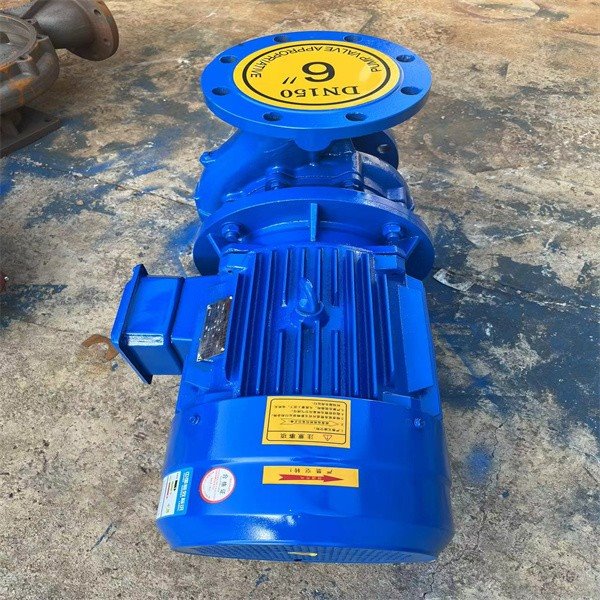
In addition to DC deep well pumps, we also offer a range of other pumps to meet the diverse needs of our customers. For example, our Horizontal Pipeline Pump is designed for horizontal installation in pipelines and is suitable for a variety of applications such as water supply, irrigation, and industrial processes. Our Vertical Pipeline Pump is ideal for vertical installation in tight spaces and can handle high - pressure applications. And our PNL Mud Pump is specifically designed for pumping mud and other viscous fluids in mining, construction, and other industries.

Conclusion
In conclusion, a check valve is an essential component in a DC deep well pumping system. It helps prevent water hammer, maintains system pressure, protects the pump from damage, and ensures the overall efficiency and reliability of the system. While there may be some initial cost associated with installing a check valve, the long - term benefits far outweigh the drawbacks.
If you are considering purchasing a DC deep well pump or any other pumps from our product line, we encourage you to contact us for more information. Our team of experts can help you select the right pump and check valve combination for your specific application and provide you with professional installation and maintenance services. We are committed to providing high - quality products and excellent customer service to meet your pumping needs.
References
- "Pump Handbook" by Igor J. Karassik, Joseph P. Messina, Paul Cooper, and Charles C. Heald
- "Fluid Mechanics and Hydraulics" by R. C. Hibbeler
- Manufacturer's manuals for DC deep well pumps and check valves
