

A slurry pump is a critical piece of equipment in many industries, including mining, construction, and wastewater treatment. It is designed to handle abrasive and corrosive slurries with high efficiency. As a slurry pump supplier, I understand the importance of proper installation to ensure the pump's optimal performance and longevity. In this blog post, I will guide you through the process of installing a slurry pump, covering everything from site preparation to final testing.
Site Preparation
Before you start installing the slurry pump, it is essential to prepare the site properly. Here are the key steps to follow:
- Select a Suitable Location: Choose a location that is level, stable, and well-ventilated. The area should be free from excessive vibrations, and there should be enough space around the pump for maintenance and inspection.
- Prepare the Foundation: The pump should be installed on a solid foundation to prevent excessive vibrations and ensure proper alignment. The foundation should be made of concrete or steel and should be designed to support the weight of the pump and its accessories.
- Check the Pipeline: Inspect the pipeline for any damage or blockages. The pipeline should be clean and free from debris to ensure smooth flow of the slurry. Make sure the pipeline is properly sized and supported to prevent leaks and vibrations.
Pump Installation
Once the site is prepared, you can start installing the slurry pump. Here are the steps to follow:
- Unpack the Pump: Carefully unpack the pump and its accessories, and check for any damage during transit. Make sure all the components are present and in good condition.
- Position the Pump: Place the pump on the foundation and align it with the pipeline. Use shims to level the pump and ensure proper alignment. Make sure the pump is securely fastened to the foundation using bolts or anchor studs.
- Connect the Pipeline: Connect the suction and discharge pipelines to the pump using appropriate flanges and gaskets. Make sure the connections are tight and leak-free. Use a torque wrench to tighten the bolts to the recommended torque values.
- Install the Motor: Mount the motor on the pump and align it with the pump shaft. Use a coupling to connect the motor shaft to the pump shaft. Make sure the coupling is properly aligned and tightened to prevent misalignment and vibrations.
- Connect the Electrical System: Connect the electrical system to the motor according to the manufacturer's instructions. Make sure the electrical connections are tight and secure. Use a multimeter to check the electrical continuity and insulation resistance.
Auxiliary Equipment Installation
In addition to the pump and motor, there are several auxiliary equipment that need to be installed to ensure the proper operation of the slurry pump. Here are the key steps to follow:
- Install the Suction Strainer: Install a suction strainer on the suction pipeline to prevent large particles from entering the pump. The strainer should be made of a durable material and should have a fine mesh to ensure effective filtration.
- Install the Relief Valve: Install a relief valve on the discharge pipeline to protect the pump from overpressure. The relief valve should be set to the recommended pressure and should be tested regularly to ensure proper operation.
- Install the Lubrication System: If the pump requires lubrication, install the lubrication system according to the manufacturer's instructions. Make sure the lubrication system is properly filled with the recommended lubricant and that the oil level is checked regularly.
- Install the Monitoring Equipment: Install monitoring equipment, such as pressure gauges, flow meters, and temperature sensors, to monitor the pump's performance. The monitoring equipment should be installed in a convenient location and should be calibrated regularly to ensure accurate readings.
Testing and Commissioning
Once the pump and auxiliary equipment are installed, it is time to test and commission the system. Here are the steps to follow:

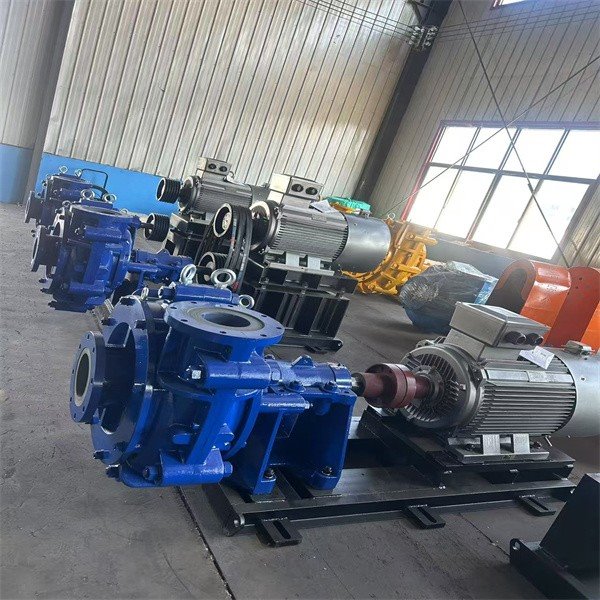
- Check the Alignment: Before starting the pump, check the alignment of the pump and motor shafts using a dial indicator. Make sure the alignment is within the recommended tolerance to prevent premature wear and damage to the pump.
- Fill the Pump with Water: Fill the pump and suction pipeline with water to prime the pump. Make sure the water level is above the impeller to prevent cavitation.
- Start the Pump: Start the pump and check the operation of the motor and pump. Listen for any unusual noises or vibrations and check the pressure and flow rate. Make sure the pump is operating within the recommended parameters.
- Adjust the System: If necessary, adjust the system to optimize the pump's performance. This may include adjusting the flow rate, pressure, or speed of the pump.
- Monitor the System: Monitor the system for several hours to ensure stable operation. Check the temperature, pressure, and flow rate regularly and make any necessary adjustments.
Maintenance and Troubleshooting
Proper maintenance is essential to ensure the long-term performance and reliability of the slurry pump. Here are some tips for maintenance and troubleshooting:
- Follow the Manufacturer's Instructions: Follow the manufacturer's instructions for maintenance and operation of the pump. This includes regular lubrication, inspection, and replacement of worn parts.
- Monitor the Pump Performance: Monitor the pump performance regularly to detect any signs of wear or damage. This includes checking the pressure, flow rate, temperature, and vibration levels.
- Perform Regular Inspections: Perform regular inspections of the pump and its accessories to detect any signs of damage or wear. This includes checking the impeller, casing, bearings, and seals.
- Troubleshoot Problems Promptly: If you encounter any problems with the pump, troubleshoot the problem promptly to prevent further damage. This may include checking the electrical system, pipeline, or pump components.
Conclusion
Installing a slurry pump requires careful planning and attention to detail. By following the steps outlined in this blog post, you can ensure the proper installation and operation of the pump. As a slurry pump supplier, I am committed to providing high-quality products and excellent customer service. If you have any questions or need assistance with slurry pump installation or maintenance, please [contact us for procurement and negotiation]. We will be happy to help you find the right solution for your needs.
References
- Manufacturer's installation and operation manuals for slurry pumps
- Industry standards and guidelines for slurry pump installation and maintenance
- Technical articles and research papers on slurry pump technology and applications
