

Hey there! As a supplier of Horizontal Pipeline Pumps, I've had my fair share of customers complaining about the noise these pumps make. It's a real pain in the neck, especially when you're trying to run a quiet operation. So, I thought I'd share some tips on how to reduce the noise of a Horizontal Pipeline Pump.

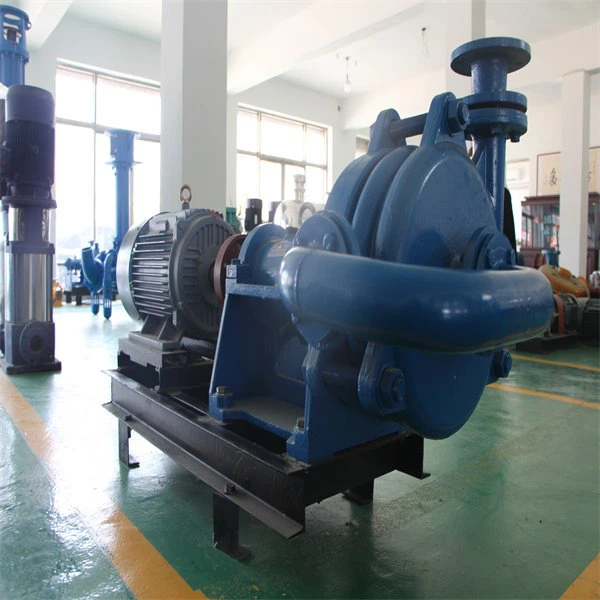
First off, let's understand why these pumps make so much noise in the first place. There are a few common reasons. One is the vibration caused by the pump's motor and impeller. When the motor spins the impeller, it creates a lot of mechanical movement, which can transfer to the surrounding pipes and equipment, causing them to vibrate and make noise. Another reason is the fluid flow through the pump. If the flow is turbulent or uneven, it can create pressure fluctuations and noise.
Now, let's get into the solutions.
1. Proper Installation
The way you install your Horizontal Pipeline Pump can have a huge impact on the noise level. Make sure the pump is installed on a solid, level foundation. A wobbly or uneven base can increase vibration and noise. You can use rubber pads or vibration isolators between the pump and the foundation to absorb some of the vibrations. These isolators are relatively inexpensive and can make a big difference.
Also, pay attention to the piping. The pipes connected to the pump should be properly supported and aligned. Misaligned pipes can cause additional stress on the pump and increase noise. Use flexible couplings between the pump and the pipes to allow for some movement and reduce the transfer of vibrations.
2. Regular Maintenance
Just like any other piece of equipment, regular maintenance is crucial for keeping your Horizontal Pipeline Pump running smoothly and quietly. Check the pump's bearings regularly. Worn-out bearings can cause a lot of noise as they start to grind against each other. Replace them as soon as you notice any signs of wear, such as excessive vibration or unusual noises.
Clean the impeller and the pump casing regularly. Over time, dirt, debris, and scale can build up on these parts, which can disrupt the fluid flow and cause noise. Use a mild detergent and a soft brush to clean them. Make sure to follow the manufacturer's instructions when performing maintenance.
3. Optimize the Fluid Flow
As I mentioned earlier, turbulent or uneven fluid flow can create noise. To optimize the flow, you can install flow control valves. These valves allow you to adjust the flow rate and pressure of the fluid, ensuring a more stable and smooth flow. You can also use diffusers or flow straighteners to reduce turbulence in the pipes.
Another thing to consider is the size of the pipes. Using pipes that are too small can cause high-velocity flow and increased noise. Make sure the pipes are the appropriate size for the pump's capacity. You can consult with a professional engineer to determine the right pipe size for your application.
4. Soundproofing
If the noise is still a problem even after taking the above steps, you can consider soundproofing the pump area. You can use acoustic panels or insulation materials to line the walls and ceiling of the pump room. These materials can absorb and dampen the sound waves, reducing the noise level in the surrounding area.
You can also build a soundproof enclosure around the pump. This enclosure can be made of materials such as steel or fiberglass and lined with acoustic insulation. However, make sure the enclosure has proper ventilation to prevent the pump from overheating.
5. Upgrade to a Quieter Pump
If all else fails, you might want to consider upgrading to a quieter Horizontal Pipeline Pump. There are many pumps on the market that are designed to operate with less noise. Look for pumps with features such as low-vibration motors, advanced impeller designs, and noise-reducing casings.
As a supplier, I can recommend some great options. For example, our PN Type Mud Pump is known for its relatively quiet operation. It's designed with high-quality components and advanced technology to minimize noise and vibration. Another option is our Special Feed Pump for Filter Press, which also offers a quiet and efficient performance. And if you're looking for a pump for deep well applications, our Dc Deep Well Pump is a great choice.
In conclusion, reducing the noise of a Horizontal Pipeline Pump requires a combination of proper installation, regular maintenance, flow optimization, soundproofing, and sometimes an upgrade to a quieter pump. By following these tips, you can significantly reduce the noise level and create a more comfortable and productive working environment.
If you're interested in learning more about our Horizontal Pipeline Pumps or any of our other products, or if you have any questions about noise reduction, feel free to reach out. We're always here to help you find the best solution for your needs. Let's start a conversation and see how we can work together to improve your pumping system.
References
- Pump Handbook, by Igor J. Karassik et al.
- Industrial Pump Technology, by Heinz P. Bloch and Fred K. Geitner.
