

Hey there! As a supplier of Slurry Pumps For Mining, I've seen firsthand the importance of keeping these pumps running smoothly for the long haul. Mining operations rely heavily on slurry pumps to move abrasive and corrosive materials, and any downtime can be a real headache. So, let's dive into some measures to ensure the long - term continuous operation of a mining slurry pump.
1. Proper Installation
First things first, getting the installation right is crucial. A poorly installed pump can lead to all sorts of problems down the line. Make sure the pump is installed on a solid foundation. This helps to reduce vibrations, which can cause premature wear and tear on the pump components. You wouldn't want a wobbly pump, right?
Also, pay close attention to the alignment of the pump and the motor. Misalignment can put extra stress on the bearings and shafts, leading to failure. And don't forget about the piping. The pipes should be properly sized and supported to avoid any unnecessary strain on the pump.
2. Regular Maintenance
Regular maintenance is like giving your pump a health check - up. It's essential for catching any potential issues before they turn into major problems. One of the most important aspects of maintenance is checking the wear parts. Slurry pumps are constantly dealing with abrasive materials, so parts like impellers, liners, and casings are bound to wear out over time.
Inspect these parts regularly and replace them when they reach the end of their service life. You can find more information about different types of slurry pumps, like the Small Sludge Pump, which may have specific maintenance requirements on our website.
Another key maintenance task is lubrication. The bearings and other moving parts need to be properly lubricated to reduce friction and prevent overheating. Use the recommended lubricants and follow the manufacturer's guidelines for lubrication intervals.
3. Monitoring and Control
Monitoring the pump's performance is a great way to ensure its long - term operation. Install sensors to measure parameters like pressure, flow rate, temperature, and vibration. By keeping an eye on these values, you can detect any abnormal changes that might indicate a problem.
For example, if the pressure suddenly drops, it could mean there's a blockage in the piping or a problem with the impeller. If the temperature of the bearings starts to rise, it might be a sign of insufficient lubrication. With this data, you can take proactive measures to address the issues before they cause the pump to stop working.
Automated control systems can also be very helpful. These systems can adjust the pump's speed and other operating parameters based on the process requirements. This not only improves the pump's efficiency but also reduces the risk of overloading.
4. Proper Selection of the Pump
Choosing the right pump for your mining application is fundamental. Different mining operations have different requirements in terms of flow rate, pressure, and the type of slurry being pumped. For instance, if you're dealing with a high - pressure application, you might want to consider a High Pressure Slurry Pump.
Make sure to work with a knowledgeable supplier who can help you select the pump with the right specifications. Consider factors like the size of the particles in the slurry, the density, and the corrosiveness of the material. A pump that's not properly sized or designed for the job will likely experience more problems and have a shorter lifespan.
5. Training of Operators
Your pump is only as good as the people operating it. Provide comprehensive training to your operators so they understand how to operate the pump correctly. They should know how to start and stop the pump safely, how to monitor the performance indicators, and what to do in case of an emergency.
Operators should also be aware of the importance of following the maintenance schedule and reporting any unusual observations. A well - trained operator can make a big difference in the long - term operation of the pump.
6. Protection Against Abrasion and Corrosion
Since mining slurries are often abrasive and corrosive, it's important to protect the pump from these effects. Use materials that are resistant to abrasion and corrosion for the pump components. For example, some pumps use high - chrome alloys for the impellers and liners, which can withstand the wear caused by the abrasive particles in the slurry.
You can also apply protective coatings to the pump surfaces. These coatings act as a barrier between the pump and the slurry, reducing the direct contact and thus the wear and corrosion.
7. Spare Parts Management
Having a good supply of spare parts on hand is a smart move. In case of a sudden failure, you can quickly replace the faulty part and get the pump up and running again. Keep an inventory of the most critical spare parts, such as impellers, seals, and bearings.
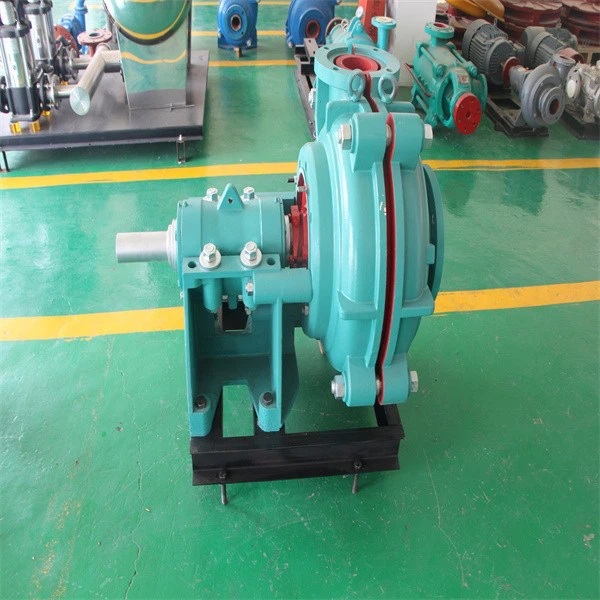

Make sure to source your spare parts from a reliable supplier. Using genuine parts is important as they are designed to fit your pump perfectly and meet the required quality standards. You can explore our range of pumps, including the Ah Slurry Pump, and find the corresponding spare parts on our website.
8. System Design Considerations
The overall system design can also impact the pump's long - term operation. Design the piping system to minimize bends and restrictions. This reduces the pressure drop and the energy consumption of the pump. Also, ensure that the suction and discharge lines are properly sized to avoid cavitation.
Cavitation is a phenomenon where bubbles form in the liquid due to low pressure, and when these bubbles collapse, they can cause damage to the pump components. By optimizing the system design, you can prevent cavitation and extend the pump's lifespan.
In conclusion, ensuring the long - term continuous operation of a mining slurry pump requires a combination of proper installation, regular maintenance, monitoring, and a whole bunch of other factors. If you're in the market for a mining slurry pump or need more advice on how to keep your existing pump running smoothly, don't hesitate to reach out. We're here to help you make the best choices for your mining operation.
If you have any questions or are interested in purchasing a slurry pump, feel free to contact us for a detailed discussion. We'll work with you to find the perfect solution for your needs.
References
- Richardson, P. (2018). Slurry Pumping Handbook. Elsevier.
- Svarovsky, L. (2000). Solid - Liquid Separation. Butterworth - Heinemann.
