

Cavitation is a crucial phenomenon that significantly affects the performance and longevity of pumps, including the PN Type Mud Pump. As a supplier of PN Type Mud Pumps, understanding the cavitation performance of these pumps is essential for providing high - quality products and ensuring customer satisfaction.
What is Cavitation?
Cavitation occurs when the pressure of a liquid drops below its vapor pressure, causing the formation of vapor bubbles. These bubbles are carried along the liquid flow until they reach a region of higher pressure, where they collapse suddenly. This collapse generates high - intensity shock waves that can cause damage to the pump components, such as the impeller and the casing.
In the context of a PN Type Mud Pump, the working environment often involves pumping mud, which has a more complex composition compared to clean water. The presence of solid particles in the mud can exacerbate the effects of cavitation. The solid particles can act as nucleation sites for bubble formation, increasing the likelihood of cavitation occurrence.
Factors Affecting Cavitation Performance of PN Type Mud Pump
1. Suction Conditions
The suction conditions of the PN Type Mud Pump play a vital role in its cavitation performance. If the suction pressure is too low, the liquid in the pump inlet is more likely to reach its vapor pressure, leading to cavitation. Factors such as the height of the liquid source above the pump inlet (suction head), the friction losses in the suction pipeline, and the velocity of the liquid in the suction pipe all affect the suction pressure.
A lower suction head or higher friction losses can reduce the suction pressure, increasing the risk of cavitation. For example, if the mud pit is located at a relatively low level compared to the pump inlet, or if the suction pipeline is long and has many bends, the suction pressure will be decreased.
2. Pump Speed
The speed of the PN Type Mud Pump also influences its cavitation performance. A higher pump speed can increase the flow rate and the pressure rise in the pump, but it also increases the velocity of the liquid in the impeller. Higher liquid velocities can lead to lower pressures in certain regions of the impeller, making it more likely for cavitation to occur.
When the pump operates at an excessive speed, the pressure drop across the impeller can be significant, causing the liquid pressure to fall below its vapor pressure. Therefore, it is important to select an appropriate pump speed to balance the flow rate requirements and the cavitation risk.
3. Mud Properties
The properties of the mud being pumped, such as density, viscosity, and the concentration of solid particles, have a profound impact on the cavitation performance of the PN Type Mud Pump. Higher - density mud requires more energy to pump, which can increase the pressure drop in the pump and the likelihood of cavitation.
Viscous mud can also cause problems. High - viscosity fluids have higher frictional losses, which can reduce the suction pressure. Additionally, the presence of solid particles in the mud can cause abrasion and erosion of the pump components, especially when combined with the shock waves generated by cavitation.
Measuring Cavitation Performance
To assess the cavitation performance of a PN Type Mud Pump, several parameters can be measured. One of the most common methods is to measure the Net Positive Suction Head Required (NPSHr) and the Net Positive Suction Head Available (NPSHa).
The NPSHr is a characteristic of the pump and represents the minimum suction head required to prevent cavitation under specific operating conditions. It is determined by the pump manufacturer through testing. The NPSHa, on the other hand, is a function of the system and is calculated based on the suction conditions, such as the elevation of the liquid source, the pressure in the suction line, and the vapor pressure of the liquid.
If the NPSHa is less than the NPSHr, cavitation is likely to occur. Therefore, it is crucial to ensure that the NPSHa is always greater than the NPSHr to avoid cavitation problems.
Improving Cavitation Performance
1. Optimizing Suction System
To improve the cavitation performance of the PN Type Mud Pump, the suction system can be optimized. This includes reducing the friction losses in the suction pipeline by using larger - diameter pipes, minimizing the number of bends and fittings, and ensuring a smooth inner surface of the pipes.
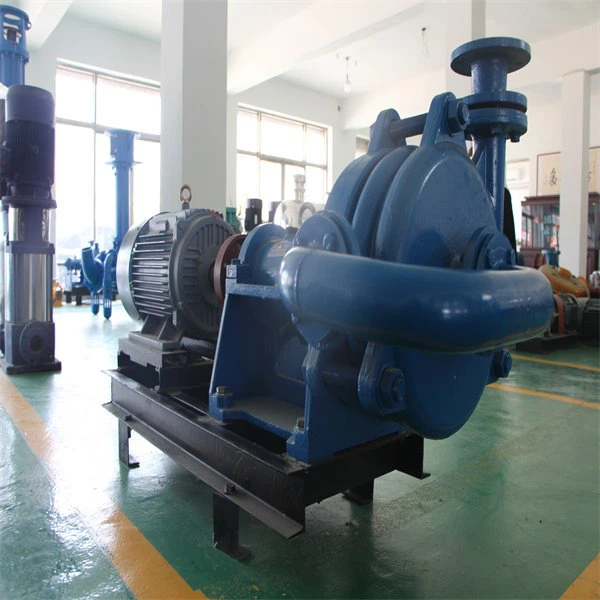

Increasing the suction head by raising the level of the mud pit or using a booster pump can also help to increase the suction pressure and reduce the risk of cavitation.
2. Selecting Appropriate Pump Speed
Selecting the right pump speed is essential for preventing cavitation. The pump speed should be chosen based on the required flow rate and the characteristics of the mud being pumped. In some cases, variable - speed drives can be used to adjust the pump speed according to the operating conditions, ensuring that the pump operates within a safe range to avoid cavitation.
3. Modifying Pump Design
The design of the PN Type Mud Pump can be modified to improve its cavitation performance. For example, the shape of the impeller can be optimized to reduce the pressure drop and the likelihood of cavitation. Using materials with better resistance to cavitation erosion can also extend the service life of the pump components.
Our Offerings as a PN Type Mud Pump Supplier
As a supplier of PN Type Mud Pumps, we are committed to providing pumps with excellent cavitation performance. Our pumps are designed and manufactured using advanced technologies and high - quality materials to ensure reliable operation in various mud - pumping applications.
We also offer a range of related products that can complement the PN Type Mud Pump. For instance, our Special Feed Pump for Filter Press is designed to work efficiently in filter press applications, providing a stable and reliable feed of mud. Our WFB Seal Free Self Priming Pump offers self - priming capabilities, which can be useful in situations where the pump needs to start up without manual priming. And our Horizontal Pipeline Pump is suitable for long - distance mud transportation.
If you are in the market for a high - performance PN Type Mud Pump or any of our related products, we invite you to contact us for a detailed discussion. Our team of experts can help you select the most suitable pump for your specific application and provide you with comprehensive technical support. Whether you are dealing with small - scale mud - pumping tasks or large - scale industrial projects, we have the solutions to meet your needs.
References
- Karassik, I. J., Messina, J. P., Cooper, P. T., & Heald, C. C. (2008). Pump Handbook. McGraw - Hill.
- Stepanoff, A. J. (1957). Centrifugal and Axial Flow Pumps: Theory, Design, and Application. Wiley.
- Idelchik, I. E. (2007). Handbook of Hydraulic Resistance. Begell House.
