Hey there! As a supplier of industrial sludge pumps, I often get asked about the nitty - gritty details of these machines. One question that pops up quite a bit is, "What is the head of an industrial sludge pump?" Let's dive right in and break it down.
First off, the head of a pump is a term that might sound a bit technical, but it's actually pretty straightforward. In simple terms, the head of an industrial sludge pump refers to the height to which the pump can lift the sludge or the pressure it can generate to move the sludge through a pipeline. It's measured in units like meters (m) or feet (ft) for height and pounds per square inch (psi) or pascals (Pa) for pressure.
Think of it like this: if you're trying to pump sludge up a hill or through a long pipeline, the head is what determines how far and how high you can go. A pump with a high head can push the sludge to greater heights or through longer and more resistant pipelines, while a pump with a low head will have limitations in terms of the distance and elevation it can cover.

There are different types of heads we need to consider when talking about industrial sludge pumps. The first one is the static head. This is the vertical distance between the source of the sludge (like a tank or a pit) and the point where the sludge is being discharged. For example, if you're pumping sludge from a pit that's 5 meters below ground level to a storage tank that's 10 meters above ground level, the static head is 15 meters.
Then there's the friction head. When the sludge flows through a pipeline, it encounters resistance due to the friction between the sludge and the inner walls of the pipe. This resistance causes a loss of energy, and the pump has to work harder to overcome it. The friction head accounts for this energy loss. Factors that affect the friction head include the diameter of the pipe, the length of the pipe, the roughness of the pipe walls, and the velocity of the sludge flow. A smaller - diameter pipe or a longer pipe will generally result in a higher friction head.
Another important type of head is the velocity head. This is related to the kinetic energy of the sludge as it moves through the pump and the pipeline. When the sludge is flowing at a high velocity, it has more kinetic energy, and the pump needs to provide enough energy to maintain that velocity. The velocity head is proportional to the square of the velocity of the sludge flow.
Now, let's talk about how the head affects the performance of an industrial sludge pump. The head - flow rate curve is a crucial tool for understanding this relationship. This curve shows how the head of the pump changes as the flow rate of the sludge changes. Generally, as the flow rate increases, the head of the pump decreases. This is because as more sludge is being pumped, the pump has to work harder to maintain the same pressure, and there are more losses due to friction and other factors.
When choosing an industrial sludge pump, it's essential to select a pump that can provide the required head for your specific application. If the head of the pump is too low, the sludge won't reach the desired destination, or the flow rate will be too slow. On the other hand, if the head is too high, the pump will consume more energy than necessary, and it may even cause damage to the pipeline or other components of the system.
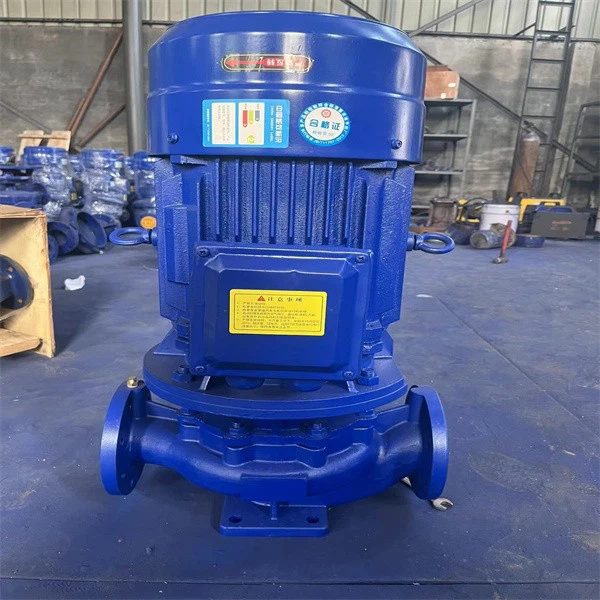
As a supplier, I offer a wide range of industrial sludge pumps to meet different head requirements. For example, our Electric Sludge Pum is a great option for applications where you need a reliable and efficient pump with a moderate head. It's designed to handle various types of sludge and can provide a stable head - flow rate performance.
Our Vertical Mixed Flow Pumps are suitable for applications where you need to pump sludge to a relatively high elevation. These pumps are known for their high - head capabilities and can handle large volumes of sludge.
If you're looking for a pump that can handle high - flow rates and moderate heads, our Horizontal Centrifugal Slurry Pump is a great choice. It's designed to be durable and efficient, even in harsh industrial environments.
In addition to the type of pump, other factors also affect the head of the pump. The impeller design plays a significant role. A well - designed impeller can increase the efficiency of the pump and improve its head - generating capabilities. The speed of the pump also affects the head. Generally, a higher pump speed will result in a higher head, but it also consumes more energy.
It's also important to consider the properties of the sludge itself. Sludge with a high viscosity or a high concentration of solids will require a pump with a higher head to move it through the pipeline. The temperature of the sludge can also affect its viscosity and, therefore, the head requirements of the pump.
Maintaining the proper head of an industrial sludge pump is crucial for its long - term performance. Regular maintenance, such as checking the impeller for wear and tear, cleaning the pipeline to reduce friction, and monitoring the pressure and flow rate, can help ensure that the pump is operating at its optimal head.
If you're in the market for an industrial sludge pump and have questions about the head or any other aspect of the pump, don't hesitate to reach out. I'm here to help you choose the right pump for your specific needs and ensure that it performs well in your application. Whether you're dealing with a small - scale sludge pumping project or a large - scale industrial operation, I can provide you with the expertise and the products you need.
In conclusion, the head of an industrial sludge pump is a critical parameter that determines the pump's ability to move sludge through a pipeline. Understanding the different types of heads, how they affect the pump's performance, and how to choose the right pump for your head requirements is essential for a successful sludge pumping operation. So, if you're looking for a reliable industrial sludge pump supplier, I'm here to assist you every step of the way.
References
- Pump Handbook, Third Edition by Igor J. Karassik, Joseph P. Messina, Paul Cooper, Charles C. Heald
- Industrial Sludge Treatment and Disposal Technologies by P. N. Cheremisinoff