

The noise level of an Ah Slurry Pump is a crucial factor that can significantly impact its application and user experience. As a reputable supplier of Ah Slurry Pumps, we understand the importance of addressing this aspect comprehensively. In this blog, we will delve into the factors influencing the noise level of an Ah Slurry Pump, the typical noise ranges, and how to manage and reduce the noise for better performance.
Factors Influencing the Noise Level of an Ah Slurry Pump
1. Pump Design and Construction
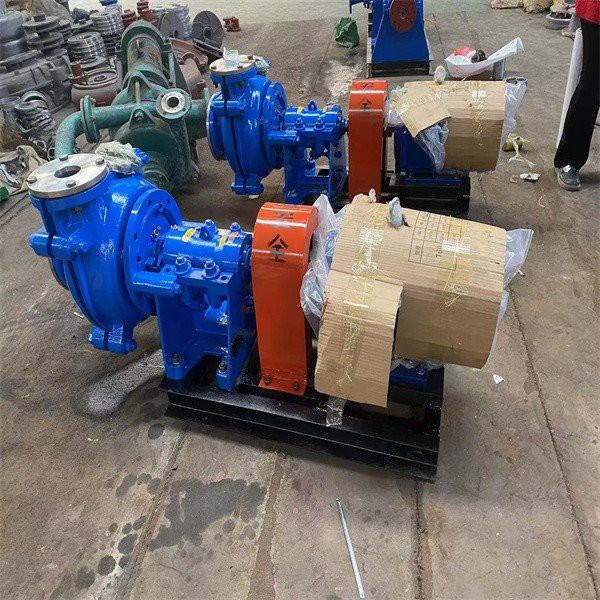
The design and construction of an Ah Slurry Pump play a fundamental role in determining its noise level. Pumps with well - engineered impellers and casings are likely to operate more quietly. For example, an impeller with a smooth surface and proper blade geometry can reduce turbulence and cavitation, which are major sources of noise. Our Horizontal Centrifugal Slurry Pump is designed with advanced technology to minimize these issues. The precision - engineered components ensure a more stable flow of slurry, thereby reducing the noise generated during operation.
2. Operating Conditions
The operating conditions of the pump also have a significant impact on the noise level. When the pump is operating at high flow rates or under high pressure, the noise level tends to increase. This is because the increased fluid velocity and pressure can cause more intense vibrations and turbulence within the pump. Additionally, the properties of the slurry being pumped, such as its viscosity, density, and particle size, can affect the noise. For instance, a slurry with large particles or high viscosity may require more power to pump, leading to increased noise. Our Electric Sludge Pum is designed to handle a wide range of operating conditions, but it is essential to select the appropriate pump model based on the specific slurry properties and operating requirements to keep the noise level in check.
3. Installation and Mounting
Proper installation and mounting of the pump are crucial for reducing noise. If the pump is not installed correctly, it can cause excessive vibrations, which are transferred to the surrounding structure and result in increased noise. The pump should be mounted on a stable and level foundation to minimize vibrations. Additionally, flexible couplings and vibration - isolating mounts can be used to reduce the transmission of vibrations from the pump to the support structure. Our technical team provides detailed installation guidelines to ensure that our Centrifugal Sludge Pump is installed correctly, thereby reducing the potential for high - noise operation.
Typical Noise Ranges of Ah Slurry Pumps
The noise level of an Ah Slurry Pump can vary depending on the factors mentioned above. Generally, the noise level of a well - designed and properly installed Ah Slurry Pump can range from 70 to 90 decibels (dB) at a distance of 1 meter from the pump. However, under certain operating conditions, such as high - flow or high - pressure operation, the noise level can exceed 90 dB.
It is important to note that prolonged exposure to noise levels above 85 dB can cause hearing damage. Therefore, it is necessary to take appropriate measures to reduce the noise level if the pump is operating in an environment where people are present for extended periods.
Managing and Reducing the Noise Level of Ah Slurry Pumps
1. Regular Maintenance
Regular maintenance of the pump is essential for keeping the noise level under control. Worn - out components, such as bearings, seals, and impellers, can cause increased vibrations and noise. By replacing these components in a timely manner, the pump can operate more smoothly and quietly. Our maintenance services ensure that your Ah Slurry Pump is in optimal condition, reducing the risk of excessive noise due to component wear.
2. Noise - Reducing Enclosures
Installing noise - reducing enclosures around the pump can be an effective way to reduce the noise level. These enclosures are designed to absorb and dampen the sound waves generated by the pump. They are typically made of sound - absorbing materials, such as fiberglass or acoustic foam. However, it is important to ensure that the enclosure does not restrict the ventilation of the pump, as this can lead to overheating.
3. System Optimization
Optimizing the overall pumping system can also help reduce the noise level. This includes adjusting the flow rate, pressure, and pipe diameter to ensure that the pump is operating within its optimal range. By reducing the load on the pump, the noise level can be effectively reduced. Our engineering team can provide system optimization solutions based on your specific requirements to achieve the best balance between performance and noise reduction.
Importance of Addressing the Noise Level
Addressing the noise level of an Ah Slurry Pump is not only important for the comfort of the operators but also for the overall efficiency and reliability of the pump. High - noise levels can indicate potential problems within the pump, such as cavitation or mechanical wear. By monitoring and reducing the noise level, these issues can be detected and addressed early, preventing costly breakdowns and downtime.

In addition, in many industrial environments, there are strict noise regulations that must be complied with. By ensuring that your Ah Slurry Pump operates within the acceptable noise limits, you can avoid potential fines and legal issues.
Conclusion
As a leading supplier of Ah Slurry Pumps, we are committed to providing high - quality products with low noise levels. By understanding the factors influencing the noise level, the typical noise ranges, and the methods for managing and reducing the noise, you can make an informed decision when selecting and operating an Ah Slurry Pump.
If you are interested in our Ah Slurry Pumps or need more information about noise reduction solutions, please feel free to contact us. Our team of experts is ready to assist you in finding the most suitable pump for your application and ensuring that it operates quietly and efficiently.
References
- Pump Handbook, Karassik et al.
- Centrifugal Pumps: Design and Application, Heinz P. Bloch.
