

What is the noise level of an S Double Suction Pump?
As a supplier of S Double Suction Pumps, I often get asked about the noise level of these pumps. Noise is an important consideration in many industrial and commercial applications, as excessive noise can not only cause discomfort to workers but also lead to potential hearing damage and non - compliance with environmental noise regulations. In this blog, I will delve into the factors that affect the noise level of an S Double Suction Pump and provide some insights on how to manage it.
Understanding S Double Suction Pumps
Before discussing the noise level, let's briefly understand what an S Double Suction Pump is. An S Double Suction Pump is a type of centrifugal pump that has two suction inlets on either side of the impeller. This design offers several advantages, such as high flow rates, balanced axial thrust, and good suction performance. These pumps are commonly used in water supply systems, power plants, and industrial processes where large volumes of fluid need to be moved.
Factors Affecting the Noise Level of S Double Suction Pumps
1. Pump Design and Construction
The design and construction of the pump play a crucial role in determining its noise level. A well - designed pump with a properly shaped impeller and volute can reduce turbulence and fluid flow noise. For example, an impeller with smooth blades and an optimal number of blades can minimize the generation of pressure pulsations, which are a major source of noise. Additionally, the quality of the materials used in the pump construction can also impact noise. High - quality castings with tight tolerances can reduce vibration and noise transmission.
2. Operating Conditions
The operating conditions of the pump have a significant influence on its noise level. When the pump is operating at its best efficiency point (BEP), it typically produces less noise. Operating the pump far from its BEP, either at very low or very high flow rates, can cause increased turbulence, cavitation, and vibration, all of which contribute to higher noise levels. Cavitation, in particular, is a major problem. It occurs when the pressure in the pump drops below the vapor pressure of the fluid, causing the formation and collapse of vapor bubbles. The collapse of these bubbles creates shock waves that can generate loud noise and damage the pump components.
3. Installation and Mounting
Proper installation and mounting of the pump are essential for minimizing noise. A pump that is not properly aligned or mounted on a stable foundation can vibrate excessively, leading to increased noise. The use of vibration isolation mounts can help reduce the transmission of vibrations from the pump to the surrounding structure. For instance, rubber or spring - type mounts can absorb and dampen the vibrations, thereby reducing the noise level. Moreover, the piping system connected to the pump should also be properly supported and flexible to prevent the transfer of vibrations through the pipes.
4. Fluid Properties
The properties of the fluid being pumped can also affect the noise level. Fluids with high viscosity or containing solid particles can cause more friction and turbulence within the pump, resulting in higher noise. For example, pumping a thick sludge or a fluid with a high concentration of suspended solids can increase the load on the pump and generate more noise compared to pumping clean water.
Measuring the Noise Level of S Double Suction Pumps
The noise level of a pump is typically measured in decibels (dB). A sound level meter is used to measure the noise at a specific distance from the pump. In most industrial settings, the noise level is measured at a distance of 1 meter from the pump surface. The measured noise level can vary depending on the pump size, power, and operating conditions.
For small - to medium - sized S Double Suction Pumps, the noise level can range from 70 dB to 85 dB at 1 meter. Larger pumps with higher power ratings may produce noise levels in the range of 85 dB to 95 dB or even higher. It's important to note that continuous exposure to noise levels above 85 dB can cause hearing damage over time, so appropriate noise control measures should be implemented.
Managing the Noise Level of S Double Suction Pumps
1. Selecting the Right Pump
When choosing an S Double Suction Pump, it's important to consider the noise level. Look for pumps that are designed with noise - reducing features, such as low - noise impellers and optimized volute designs. Consult with the pump manufacturer to get information about the expected noise level of the pump under different operating conditions.
2. Optimizing Operating Conditions
Ensure that the pump is operating as close to its best efficiency point as possible. This can be achieved by properly sizing the pump for the application and using flow control devices, such as valves, to adjust the flow rate. Regular maintenance of the pump, including checking the impeller for wear and the alignment of the pump and motor, can also help maintain optimal operating conditions and reduce noise.
3. Noise Isolation and Absorption
Use noise - isolation enclosures around the pump to reduce the noise transmission to the surrounding environment. These enclosures can be made of sound - absorbing materials, such as fiberglass or acoustic foam. Additionally, the use of vibration isolation mounts and flexible piping connections can help reduce the vibration and noise transmitted through the structure and pipes.
4. Regular Maintenance
Regular maintenance is crucial for keeping the noise level of the pump under control. Inspect the pump components for wear and damage, and replace any worn - out parts promptly. Check the lubrication of the bearings and ensure that the pump is properly aligned. A well - maintained pump will operate more smoothly and produce less noise.
Related Products
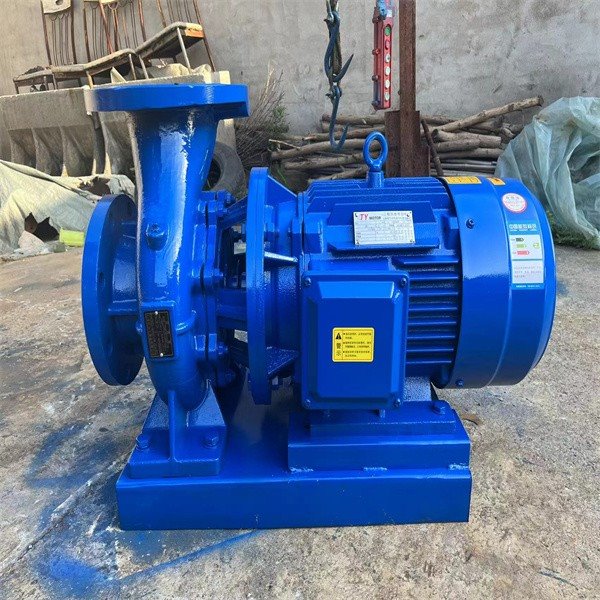
If you are also interested in other types of pumps, we have some great options for you. You can check out our YZ Vertical Mud Pump, which is suitable for handling mud and other abrasive fluids. Our Mud Slurry Pump is another excellent choice for applications involving the pumping of slurries. And for pipeline applications, our Horizontal Pipeline Pump offers reliable performance.

Conclusion
The noise level of an S Double Suction Pump is influenced by various factors, including pump design, operating conditions, installation, and fluid properties. By understanding these factors and implementing appropriate noise control measures, it is possible to minimize the noise generated by the pump. As a supplier of S Double Suction Pumps, we are committed to providing high - quality pumps with low noise levels. If you have any questions about our pumps or need assistance in selecting the right pump for your application, please feel free to contact us for procurement and further discussions.
References
- Stepanoff, A. J. (1957). Centrifugal and Axial Flow Pumps: Theory, Design, and Application. John Wiley & Sons.
- Karassik, I. J., Messina, J. P., Cooper, P. T., & Heald, C. C. (2008). Pump Handbook. McGraw - Hill.
- ANSI/ASA S12.1 - 2013. American National Standard Acoustics - Noise Criteria.
