

Hey there! As a supplier of S Double Suction Pumps, I often get asked about what materials are suitable for the casing of these pumps. Well, let's dive right into it and explore the options.
First off, let's understand why the casing material matters. The casing is like the protective shell of the pump. It has to withstand the pressure, the flow of the fluid, and sometimes, harsh chemical environments. A wrong choice of material can lead to premature wear and tear, leaks, and ultimately, pump failure.
Cast Iron
Cast iron is one of the most commonly used materials for S Double Suction Pump casings. It's affordable, readily available, and has good mechanical properties. Cast iron can handle a decent amount of pressure and is resistant to corrosion in many common applications. For instance, in water supply systems where the water is relatively clean and doesn't contain a lot of aggressive chemicals, cast iron casings work just fine.
However, cast iron does have its limitations. It's not very resistant to highly corrosive substances like acids or strong alkalis. If the pump is going to be used in an environment where it will come into contact with such chemicals, cast iron might not be the best choice. Also, cast iron is relatively heavy, which can make installation and maintenance a bit more challenging.
Cast Steel
Cast steel is another option for S Double Suction Pump casings. It offers better strength and durability compared to cast iron. Cast steel can handle higher pressures and is more resistant to impact. This makes it suitable for applications where the pump might be subjected to rough handling or where there are high-pressure requirements.
In addition, cast steel has better corrosion resistance than cast iron in some cases. It can be used in environments where there is a moderate level of corrosion, such as in some industrial water treatment plants. However, cast steel is more expensive than cast iron, and the manufacturing process is more complex. This means that pumps with cast steel casings will generally cost more.
Stainless Steel
Stainless steel is a top - notch material for S Double Suction Pump casings, especially in applications where corrosion resistance is a major concern. Stainless steel contains chromium, which forms a passive oxide layer on the surface, protecting it from corrosion. This makes it suitable for use with a wide range of corrosive fluids, including acids, alkalis, and seawater.
There are different grades of stainless steel, such as 304 and 316. Grade 316 stainless steel, in particular, has a higher content of molybdenum, which further enhances its corrosion resistance. It's often used in marine applications or in chemical processing plants where the fluids are highly corrosive.
The downside of stainless steel is its cost. It's more expensive than both cast iron and cast steel. But if you're dealing with a corrosive environment where pump failure due to corrosion could lead to significant downtime and costs, the investment in a stainless - steel casing is definitely worth it.
Bronze
Bronze is a copper - based alloy that is also used for pump casings. It has excellent corrosion resistance, especially in seawater and other marine environments. Bronze is also relatively easy to machine, which can make the manufacturing process of the pump casing more straightforward.
In addition, bronze has good anti - fouling properties. This means that it's less likely to accumulate biological growth on its surface, which can be a problem in marine applications. However, like stainless steel, bronze is relatively expensive. It's also not as strong as cast steel or stainless steel in terms of withstanding high pressures.
Considerations for Material Selection
When choosing the material for the casing of an S Double Suction Pump, there are several factors to consider.
Fluid Properties
The nature of the fluid that the pump will be handling is crucial. If it's clean water, cast iron or a lower - cost material might be sufficient. But if it's a corrosive fluid, then stainless steel or bronze would be more appropriate. For example, in a chemical plant where the pump will be used to transfer sulfuric acid, stainless steel would be the obvious choice.
Operating Conditions
The pressure and temperature at which the pump will operate also play a role. High - pressure applications require a more robust material like cast steel or stainless steel. Similarly, if the pump will be operating at high temperatures, the material needs to be able to withstand the thermal stress.
Cost
Cost is always a consideration. You need to balance the performance requirements with the budget. If the application doesn't require a high - end material, using a more affordable option like cast iron can save a lot of money.
Maintenance
The ease of maintenance is another factor. Some materials are easier to repair or replace than others. For example, cast iron is relatively easy to machine and repair, while stainless steel might require more specialized tools and skills.
Our S Double Suction Pumps
At our company, we offer S Double Suction Pumps with casings made from a variety of materials. Whether you need a pump for a simple water supply system or a complex industrial application, we've got you covered.
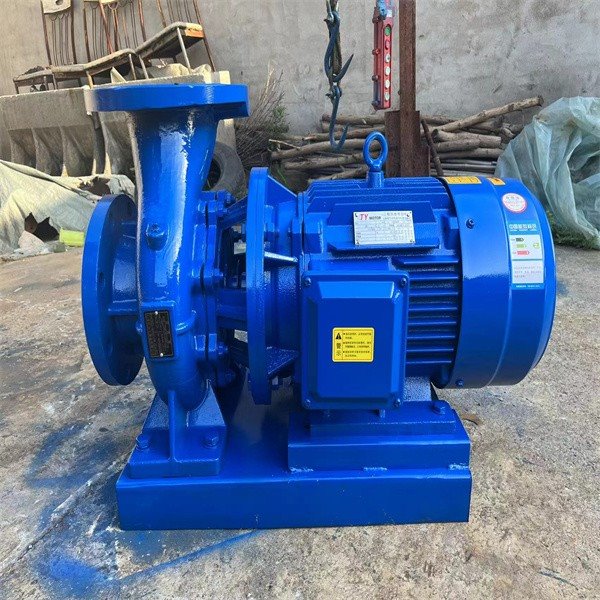
If you're interested in our S Double Suction Pump, we can help you choose the right casing material based on your specific requirements. We also have other types of pumps in our product line, such as the Horizontal Pipeline Pump and the IH Stainless Steel Chemical Pump.
If you're in the market for a high - quality pump and want to discuss your needs further, don't hesitate to reach out. We're here to assist you in making the best choice for your application. Our team of experts can provide you with detailed information and advice to ensure that you get a pump that meets your expectations and performs well for years to come.
In conclusion, the choice of material for the casing of an S Double Suction Pump depends on a variety of factors. By carefully considering the fluid properties, operating conditions, cost, and maintenance requirements, you can select the most suitable material. And if you need any help with that, we're just a message or a call away. So, let's start the conversation and find the perfect pump for you!

References
- "Pump Handbook" by Igor J. Karassik et al.
- "Materials Science and Engineering: An Introduction" by William D. Callister Jr. and David G. Rethwisch.
