

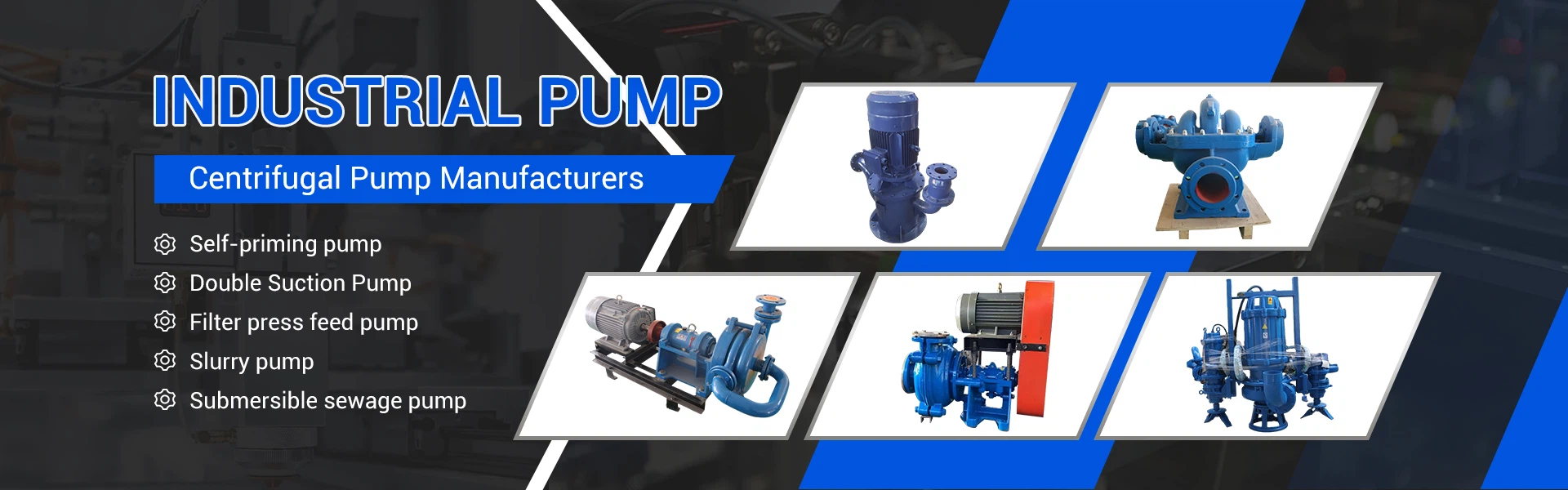
A slurry pump works by pushing a liquid-solid mixture through a casing. The impeller rotates and adds energy to the slurry. The flow then leaves through the discharge pipe with ore, sand, ash, mud or tailings inside the liquid. A clean water pump is not built for this kind of medium, so a slurry pump needs a wider passage and wet parts that can resist abrasion.
When users ask how does a slurry pump work, the impeller, casing and seal should be explained first. The impeller creates centrifugal force. The casing guides the slurry to the outlet. The shaft seal reduces leakage near the shaft, and the bearing frame keeps the rotating parts aligned. In PN mud pump service, reference data shows that suitable models can handle 50-60% solids by weight.
Selection should not stop at flow and head. Particle size, slurry density, solid concentration, pipe length and pump position also matter. A pit may need a submersible or vertical pump. A long pipeline may need a higher-head horizontal pump. Understanding how the pump works helps users choose the material, seal type and spare parts before operation.


