

Choosing a slurry pump starts with the medium, not only the motor power. The first data should include flow, head, slurry density, solid content, particle size and liquid property. Mining slurry, coal slurry, ash slurry, sludge and tailings may all need different wet-part materials. A pump used for clean water should not be selected for abrasive slurry only because the flow looks similar.
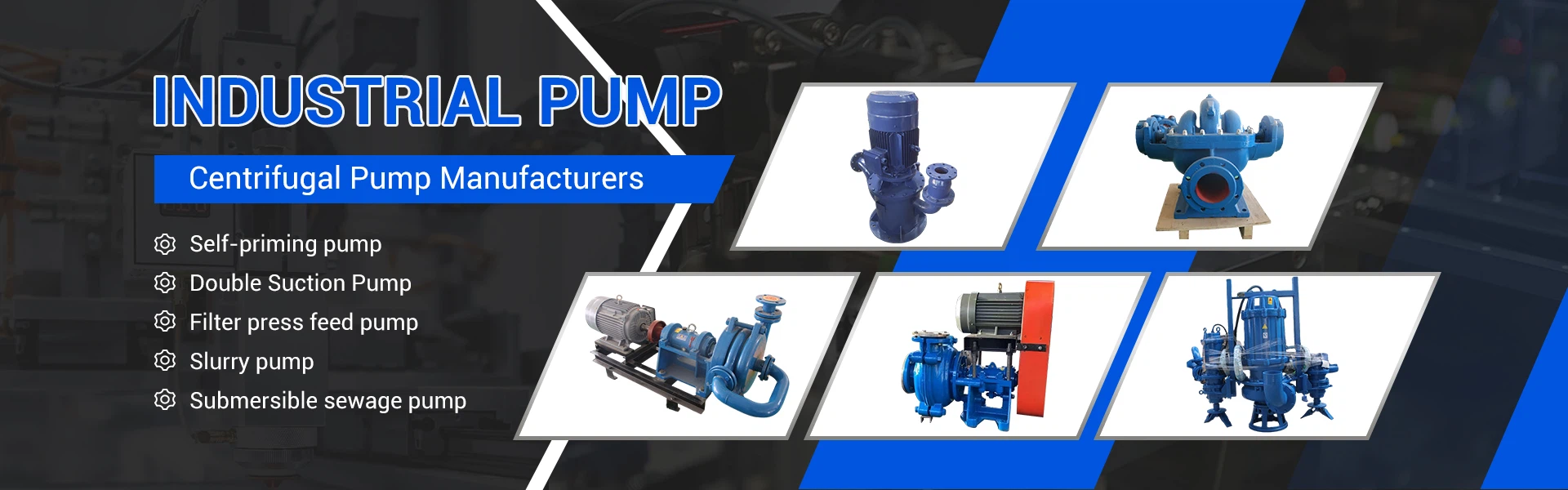
When users ask how to choose a slurry pump, installation form should also be checked. A horizontal centrifugal pump is common for process transfer and long pipelines. A vertical pump is useful in sumps. A submersible pump works directly in a pit or pond and can reduce suction pipe trouble. For mud pump duty, provided material mentions 50-60% concentration by weight for suitable PN-type service.
Material and seal selection come after the hydraulic data. High chromium alloy can be used for strong abrasion. Rubber lining may help in some fine-particle slurry. Mechanical seals or packing seals are selected by pressure and liquid condition. To choose correctly, give the supplier real site data and avoid vague descriptions. This is the safe way to answer how to choose a slurry pump for long service life.
The final choice should be written down clearly. It should include material, seal type, impeller form, motor power and spare parts. This record helps avoid confusion when the same project later orders a replacement pump or a new set of wet-end parts.


