

In the vast landscape of industrial pumping solutions, vertical mixed flow pumps have emerged as a crucial component for various applications. As a leading supplier of vertical mixed flow pumps, I am often asked about the energy efficiency of these remarkable machines. In this blog post, I will delve into the intricacies of vertical mixed flow pumps and explore whether they truly live up to the reputation of being energy - efficient.
Understanding Vertical Mixed Flow Pumps
Before we can assess their energy efficiency, it's essential to understand what vertical mixed flow pumps are. Vertical mixed flow pumps combine features of both axial and radial flow pumps. They operate by imparting energy to the fluid through a combination of centrifugal force and axial thrust. The impeller design in these pumps is such that the fluid moves in a direction that is a mix of radial and axial, hence the name "mixed flow."
These pumps are commonly used in applications where a moderate head and high flow rate are required. They are found in industries such as water treatment, irrigation, power generation, and flood control. Their vertical design allows them to be installed in pits or sumps, making them suitable for applications where space is limited or where the pump needs to be submerged.
Factors Affecting Energy Efficiency
Several factors contribute to the energy efficiency of vertical mixed flow pumps. Let's take a closer look at some of the most significant ones.
Pump Design
The design of the pump plays a crucial role in its energy efficiency. A well - designed impeller can minimize hydraulic losses and ensure that the pump operates at its best efficiency point (BEP). The shape, size, and number of impeller blades are carefully engineered to optimize the flow of fluid through the pump. For example, a properly designed impeller can reduce turbulence and recirculation, which in turn reduces energy consumption.
In addition to the impeller, the volute or diffuser design also affects energy efficiency. A well - designed volute can efficiently convert the kinetic energy of the fluid into pressure energy, reducing energy losses in the process.
Operating Conditions
The operating conditions of the pump have a significant impact on its energy efficiency. Pumps are typically designed to operate at a specific flow rate and head, known as the BEP. When a pump operates far from its BEP, its efficiency decreases significantly. For instance, if a pump is oversized for a particular application and is operating at a low flow rate, it will consume more energy than necessary.
On the other hand, if the pump is undersized and has to work harder to meet the required flow rate and head, it will also be less energy - efficient. Therefore, it is crucial to select the right pump for the specific application and ensure that it operates as close to its BEP as possible.
System Design
The overall system design in which the pump is installed also affects its energy efficiency. Factors such as pipe diameter, length, and roughness can all impact the energy consumption of the pump. A poorly designed piping system with excessive friction losses will require the pump to work harder to overcome these losses, resulting in higher energy consumption.
Proper valve selection and control are also important. Valves that are not sized correctly or are not operated efficiently can cause additional pressure drops in the system, increasing the energy requirements of the pump.
Energy - Saving Features of Vertical Mixed Flow Pumps
Despite the challenges posed by various factors, vertical mixed flow pumps come with several features that can contribute to energy savings.
Variable Speed Drives (VSDs)
One of the most effective ways to improve the energy efficiency of vertical mixed flow pumps is by using variable speed drives. VSDs allow the pump to adjust its speed according to the actual demand of the system. When the demand for flow or pressure decreases, the pump can slow down, reducing its energy consumption.

For example, in an irrigation system, the water demand may vary depending on the time of day, season, and weather conditions. By using a VSD, the vertical mixed flow pump can operate at a lower speed during periods of low demand, resulting in significant energy savings.
High - Efficiency Materials
The use of high - efficiency materials in the construction of vertical mixed flow pumps can also contribute to energy savings. For instance, pumps made from materials with low friction coefficients can reduce the energy required to move the fluid through the pump. Additionally, materials that are resistant to corrosion and erosion can maintain the pump's efficiency over a longer period, reducing the need for frequent maintenance and replacement.
Advanced Hydraulic Design
Modern vertical mixed flow pumps often feature advanced hydraulic designs that are optimized for energy efficiency. These designs are based on extensive research and computational fluid dynamics (CFD) analysis. By minimizing hydraulic losses and improving the flow path of the fluid, these pumps can operate more efficiently, consuming less energy.
Case Studies: Energy Efficiency in Real - World Applications
To illustrate the energy - saving potential of vertical mixed flow pumps, let's look at some real - world case studies.
Water Treatment Plant
In a large water treatment plant, a vertical mixed flow pump was installed to transfer water from a storage tank to the treatment process. Initially, the pump was operating at a fixed speed, resulting in high energy consumption. By installing a VSD, the pump was able to adjust its speed according to the water demand. As a result, the energy consumption of the pump was reduced by 30%, leading to significant cost savings for the plant.
Irrigation System
An agricultural irrigation system was using a vertical mixed flow pump to supply water to the fields. The pump was oversized for the application, and it was operating at a low flow rate, consuming more energy than necessary. After replacing the pump with a properly sized one and installing a VSD, the energy efficiency of the system improved significantly. The new pump was able to operate closer to its BEP, and the VSD allowed it to adjust its speed based on the irrigation requirements. This led to a 25% reduction in energy consumption.
Comparing with Other Types of Pumps
When considering the energy efficiency of vertical mixed flow pumps, it's also important to compare them with other types of pumps. For example, compared to centrifugal pumps, vertical mixed flow pumps can often provide a higher flow rate at a moderate head with relatively lower energy consumption.
On the other hand, compared to axial flow pumps, vertical mixed flow pumps can generate a higher head while still maintaining a high flow rate. This makes them a more versatile option for many applications, where a balance between flow rate and head is required.
Other Related Pumps
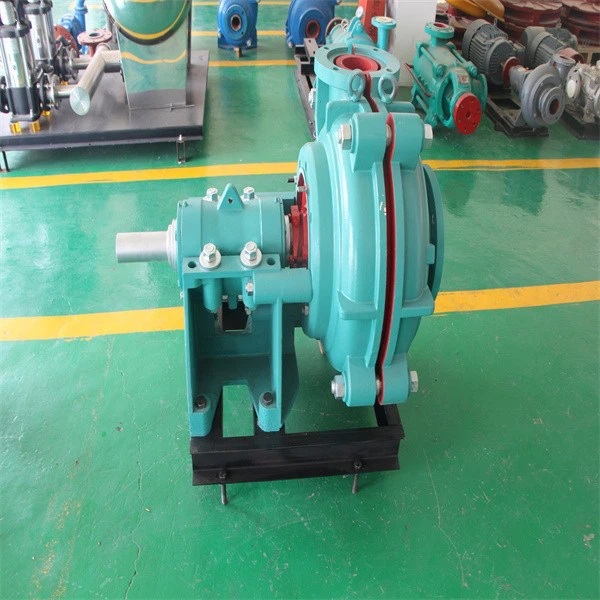
In addition to vertical mixed flow pumps, there are other types of pumps that are commonly used in industrial applications. For example, the Ah Slurry Pump is designed for handling abrasive slurries. It is known for its robust construction and ability to handle high - concentration slurries.
The Vacuum Slurry Pump is another option for handling slurries. It uses a vacuum to draw the slurry into the pump, which can be useful in applications where the slurry needs to be transferred from a lower level to a higher level.
The Portable Slurry Pump is a convenient option for applications where mobility is required. It can be easily moved from one location to another, making it suitable for small - scale projects or temporary applications.
Conclusion
In conclusion, vertical mixed flow pumps can be highly energy - efficient when properly selected, installed, and operated. Their unique design and features, such as variable speed drives, high - efficiency materials, and advanced hydraulic designs, make them a viable option for applications where energy savings are a priority.
However, it's important to note that achieving optimal energy efficiency requires careful consideration of various factors, including pump design, operating conditions, and system design. By working closely with a knowledgeable supplier, you can ensure that you select the right pump for your specific application and implement the necessary measures to maximize its energy efficiency.
If you are interested in learning more about our vertical mixed flow pumps or other pumping solutions, I encourage you to reach out to us for a detailed discussion. Our team of experts is ready to assist you in finding the most energy - efficient and cost - effective pumping solution for your needs.
References
- "Pump Handbook" by Igor J. Karassik et al.
- "Fluid Mechanics and Hydraulic Machines" by R. K. Bansal.
- Industry reports on pump energy efficiency.


