

When it comes to the construction and industrial sectors, the efficient transfer of concrete and related materials is crucial. Among the various equipment available, concrete pumps play a significant role. However, there is often confusion between a concrete slurry pump and a regular concrete pump. As a supplier of Concrete Slurry Pump, I am well - versed in the differences between these two types of pumps, and I'm here to shed some light on this topic.
1. Understanding the Basics: What are Concrete Slurry Pumps and Regular Concrete Pumps?
A regular concrete pump is designed to transport fresh concrete from a mixer to the construction site where it will be placed. This type of pump is commonly used in large - scale construction projects such as building high - rise buildings, bridges, and dams. It is capable of handling a relatively high - volume and high - consistency concrete mixture.
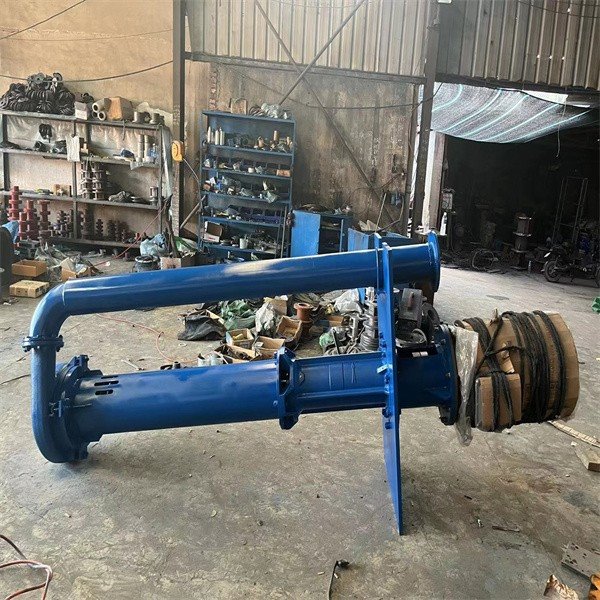
On the other hand, a concrete slurry pump is specialized in pumping concrete slurry, which is a mixture of cement, water, and sometimes fine aggregates. The slurry has a lower viscosity and a more fluid consistency compared to regular concrete. Concrete slurry pumps are often used in applications where a more precise and fine - grained delivery of the material is required, such as in grouting, tunneling, and some underground construction works.

2. Design and Construction Differences
Pump Structure
Regular concrete pumps typically have a larger and more robust structure. They are often equipped with a powerful piston - driven system that can generate high pressure to push the thick and heavy concrete through long pipes. The hopper of a regular concrete pump is also larger to accommodate a large amount of concrete at once.
In contrast, concrete slurry pumps are generally more compact in design. They may use different pumping mechanisms, such as diaphragm pumps or peristaltic pumps, which are better suited for handling the less viscous slurry. The hopper of a concrete slurry pump is smaller, as the slurry is usually fed in a more continuous and controlled manner.
Material of Construction
The materials used in the construction of the two types of pumps also differ. Regular concrete pumps need to withstand the abrasive nature of the coarse aggregates in the concrete. Therefore, the components that come into contact with the concrete, such as the pistons, cylinders, and pipes, are made of highly wear - resistant materials like high - grade steel or special alloys.
Concrete slurry pumps, while still requiring some level of wear resistance, do not need to be as robust in this regard. The materials used in their construction can be more lightweight and cost - effective, as the slurry contains fewer coarse particles. However, they still need to be resistant to the chemical properties of the cement and water mixture in the slurry.
3. Performance and Capacity
Flow Rate
Regular concrete pumps are known for their high flow rates. They can deliver a large volume of concrete in a short period, which is essential for large - scale construction projects where time is of the essence. Flow rates of regular concrete pumps can range from tens to hundreds of cubic meters per hour, depending on the model and the specific requirements of the project.
Concrete slurry pumps, on the other hand, usually have a lower flow rate. Since the applications they are used for often require a more precise and controlled delivery of the slurry, a lower flow rate allows for better accuracy. Flow rates of concrete slurry pumps typically range from a few cubic meters per hour to around 20 - 30 cubic meters per hour.
Pressure
The pressure requirements for regular concrete pumps are much higher. Pushing thick and heavy concrete through long and sometimes vertically - oriented pipes requires a significant amount of pressure. Regular concrete pumps can generate pressures of up to several megapascals to ensure the concrete reaches the desired location.
Concrete slurry pumps do not need to generate such high pressures. The more fluid nature of the slurry allows it to flow more easily through the pipes. Therefore, the pressure generated by a concrete slurry pump is generally lower, usually in the range of a few hundred kilopascals to a couple of megapascals.
4. Application Differences
Regular Concrete Pumps
As mentioned earlier, regular concrete pumps are mainly used in large - scale construction projects. They are ideal for pouring concrete for foundations, columns, and slabs in buildings. In bridge construction, they are used to place concrete for the piers, abutments, and decking. In dam construction, regular concrete pumps are essential for the large - volume placement of concrete to build the massive structures.
Concrete Slurry Pumps
Concrete slurry pumps have a wide range of specialized applications. In grouting, they are used to inject the slurry into the ground to improve its stability or to fill voids. In tunneling, the slurry can be used for shield tunneling to support the tunnel face and prevent ground collapse. They are also used in some underground construction projects, such as mining and underground utilities installation, where a more precise and controlled delivery of the material is required.
5. Maintenance and Operation
Maintenance
Regular concrete pumps require more frequent and extensive maintenance. The high - pressure operation and the abrasive nature of the concrete can cause significant wear and tear on the components. Regular maintenance tasks include checking and replacing the pistons, cylinders, and pipes, as well as cleaning the hopper and the pumping system to prevent blockages.
Concrete slurry pumps, while still requiring maintenance, are generally easier to maintain. The lower pressure operation and the less abrasive nature of the slurry result in less wear on the components. Maintenance tasks mainly involve checking the seals, diaphragms (if applicable), and the overall integrity of the pumping system.
Operation
Operating a regular concrete pump requires a certain level of skill and experience. The operator needs to be familiar with the high - pressure system, the large - scale hopper loading, and the long - distance pipe routing. Safety precautions are also more critical due to the high - pressure operation.
Concrete slurry pumps are relatively easier to operate. The lower pressure and more compact design make them more user - friendly. However, operators still need to be careful about the precise control of the slurry flow rate and the proper feeding of the slurry into the hopper.
6. Cost Considerations
Initial Cost
Regular concrete pumps are generally more expensive to purchase. The larger size, more robust construction, and high - performance components contribute to the higher cost. Additionally, the installation of a regular concrete pump system, including the long pipes and the associated infrastructure, can also be costly.
Concrete slurry pumps are usually more affordable. Their smaller size and simpler design result in a lower initial cost. The installation cost is also relatively lower, as the pipe routing and the overall infrastructure requirements are less extensive.
Operating Cost
The operating cost of a regular concrete pump is higher. The high - energy consumption due to the high - pressure operation, as well as the frequent maintenance and replacement of wear - prone components, contribute to the higher operating cost.
Concrete slurry pumps have a lower operating cost. The lower energy consumption and the less frequent maintenance result in a more cost - effective operation over time.
Conclusion
In conclusion, a concrete slurry pump and a regular concrete pump have significant differences in terms of design, performance, application, maintenance, and cost. Understanding these differences is crucial for construction and industrial companies to choose the right pump for their specific needs.
As a supplier of Concrete Slurry Pump, we also offer other related products such as Heavy Sludge Pump and Vacuum Slurry Pump. If you are in need of a reliable and efficient slurry pump for your project, we are here to provide you with the best solutions. Whether you have questions about the product features, performance, or need advice on the right pump for your application, please feel free to contact us for a detailed discussion and procurement negotiation.
References
- "Concrete Pumping Handbook" - Published by a leading industry association, this handbook provides in - depth knowledge about the design, operation, and maintenance of concrete pumps.
- "Industrial Slurry Pump Technology" - A technical book that covers the different types of slurry pumps, including concrete slurry pumps, and their applications in various industries.
- Industry research reports on construction equipment, which provide market trends and performance data on concrete pumps and slurry pumps.


