

Sludge pumps play a pivotal role in various industries, from wastewater treatment to mining and construction. As a leading supplier of Electric Sludge Pumps, I've witnessed firsthand the significant impact of sludge viscosity on the performance of these essential machines. In this blog, we'll delve into the intricacies of how sludge viscosity affects the operation of an Electric Sludge Pump and explore ways to optimize pump performance in different viscosity scenarios.
Understanding Sludge Viscosity
Viscosity is a measure of a fluid's resistance to flow. In the context of sludge, it refers to the thickness or stickiness of the mixture. Sludge viscosity can vary widely depending on several factors, including the composition of the sludge (such as the presence of solids, organic matter, and chemicals), temperature, and shear rate. Higher viscosity means the sludge is more resistant to flow, while lower viscosity indicates a more fluid consistency.
Impact of Sludge Viscosity on Pump Performance
Flow Rate
One of the most direct effects of sludge viscosity on an Electric Sludge Pump is its impact on the flow rate. As the viscosity of the sludge increases, the pump has to work harder to move the fluid through the system. This results in a decrease in the flow rate, as the pump's ability to transport the thick sludge is limited by its power and design. In some cases, extremely high viscosity can even cause the pump to stall or fail to prime, leading to a complete interruption of the pumping process.
Pressure
Sludge viscosity also affects the pressure requirements of the pump. Higher viscosity sludge requires more pressure to be pumped through the pipes and fittings. This means that the pump has to generate more force to overcome the resistance of the thick fluid. As a result, the pressure inside the pump and the piping system increases, which can put additional stress on the components and potentially lead to leaks or failures if the system is not properly designed or maintained.
Energy Consumption
The increased pressure and reduced flow rate caused by high sludge viscosity also lead to higher energy consumption. The pump has to work harder to move the thick sludge, which requires more electrical power. This not only increases the operating costs but also has environmental implications, as it contributes to higher energy consumption and carbon emissions.
Wear and Tear
The abrasive nature of sludge combined with the high viscosity can cause significant wear and tear on the pump components. The thick sludge can cause more friction and stress on the impeller, casing, and seals, leading to premature failure of these parts. Regular maintenance and replacement of worn components are essential to ensure the long-term performance and reliability of the pump.
Overcoming the Challenges of High Viscosity Sludge
Pump Selection
Choosing the right Electric Sludge Pump for the specific viscosity of the sludge is crucial. Different types of pumps are designed to handle different viscosity ranges. For example, Heavy Sludge Pump are typically more suitable for handling highly viscous sludge, while smaller pumps may be sufficient for low to medium viscosity applications. When selecting a pump, it's important to consider factors such as the maximum viscosity of the sludge, the required flow rate and pressure, and the operating conditions.
Pre - treatment
Pre - treating the sludge can help reduce its viscosity and improve the pump's performance. This can include processes such as heating, dilution, or chemical treatment. Heating the sludge can lower its viscosity by reducing the intermolecular forces between the particles. Diluting the sludge with water can also make it more fluid, although this may increase the volume of the fluid to be pumped. Chemical treatment can involve adding additives to the sludge to break down the solids or modify the surface properties of the particles, reducing the overall viscosity.
System Design
Proper system design is essential for handling high viscosity sludge. This includes selecting the right pipe diameter, minimizing the length of the piping system, and reducing the number of bends and fittings. Larger pipe diameters can reduce the friction and pressure drop associated with pumping thick sludge, while fewer bends and fittings can minimize the resistance to flow. Additionally, the use of smooth - walled pipes and proper insulation can help maintain the temperature of the sludge and prevent it from thickening during transport.
Case Studies and Examples
Let's look at a few real - world examples of how sludge viscosity affects the performance of Electric Sludge Pumps and how these challenges were overcome.
In a mining operation, the sludge being pumped had a very high viscosity due to the high concentration of heavy metals and fine particles. The initial pump selected was not able to handle the thick sludge, resulting in frequent blockages and reduced flow rates. By switching to a Heavy Sludge Pump specifically designed for high - viscosity applications and implementing pre - treatment processes such as heating and chemical conditioning, the operation was able to improve the pump's performance and increase the overall efficiency of the sludge handling system.
In a wastewater treatment plant, the sludge viscosity varied seasonally, with higher viscosity during the colder months. The plant initially experienced problems with decreased flow rates and increased energy consumption during these periods. By installing a temperature control system to heat the sludge and adjusting the pump operation parameters based on the viscosity changes, the plant was able to maintain consistent pump performance throughout the year.
Conclusion
Sludge viscosity has a profound impact on the performance of Electric Sludge Pumps. Understanding the relationship between viscosity and pump performance is essential for selecting the right pump, designing an efficient system, and ensuring the long - term reliability and cost - effectiveness of the sludge handling process. As a supplier of Electric Sludge Pumps, we are committed to providing our customers with the expertise and solutions needed to overcome the challenges posed by high viscosity sludge.

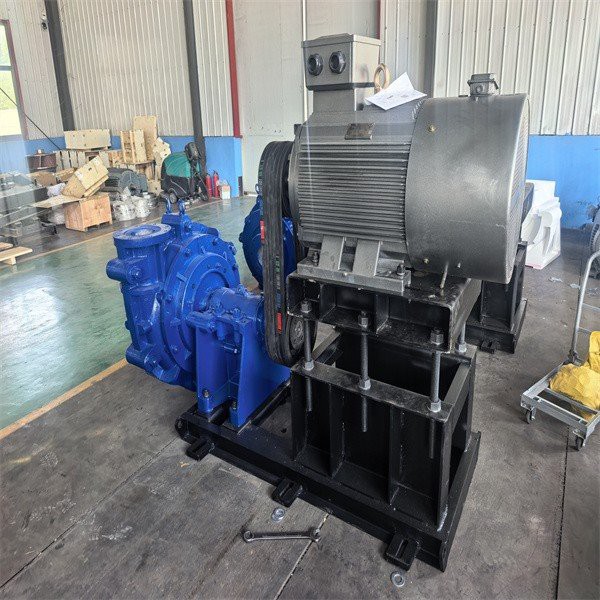
If you're facing issues with sludge pumping or are looking to optimize your existing system, we invite you to contact us for a consultation. Our team of experts can help you select the right pump, recommend pre - treatment options, and design a system that meets your specific requirements. Whether you need a Vacuum Slurry Pump, a Heavy Sludge Pump, or a Small Sludge Pump, we have the solutions to meet your needs. Don't let sludge viscosity limit your operations - reach out to us today to discuss your pumping challenges and find the best solution.
References
- "Sludge Handling and Disposal" by Water Environment Federation.
- "Pump Handbook" by Igor J. Karassik et al.
- "Wastewater Treatment: Principles, Processes, and Modeling" by Mark van Loosdrecht and Mark C.M. van Loosdrecht.
