

What is the vibration level of PN Type Mud Pump during operation?
As a PN Type Mud Pump supplier, I often encounter inquiries from customers about the vibration level of these pumps during operation. Understanding the vibration level is crucial as it not only affects the pump's performance but also its lifespan and the overall efficiency of the system in which it operates.
General Understanding of Vibration in PN Type Mud Pumps
Vibration in PN Type Mud Pumps is an inevitable phenomenon during operation. It is mainly caused by several factors. Firstly, the mechanical movement of the pump components plays a significant role. The rotation of the impeller, which is a key part of the mud pump, generates centrifugal force. If the impeller is not properly balanced, it will lead to uneven forces acting on the shaft, resulting in vibration. For example, small manufacturing errors in the impeller, such as uneven mass distribution, can cause the impeller to wobble during rotation, thus increasing the vibration level.
Secondly, the fluid flow within the pump also contributes to vibration. The mud being pumped is a complex fluid with different viscosities and particle sizes. When the mud flows through the pump, it can create turbulent flow patterns. These turbulent flows can exert uneven pressure on the pump walls and internal components, causing vibrations. Moreover, if there are blockages or restrictions in the flow path, such as clogged impeller passages or partially closed valves, it can further exacerbate the vibration.
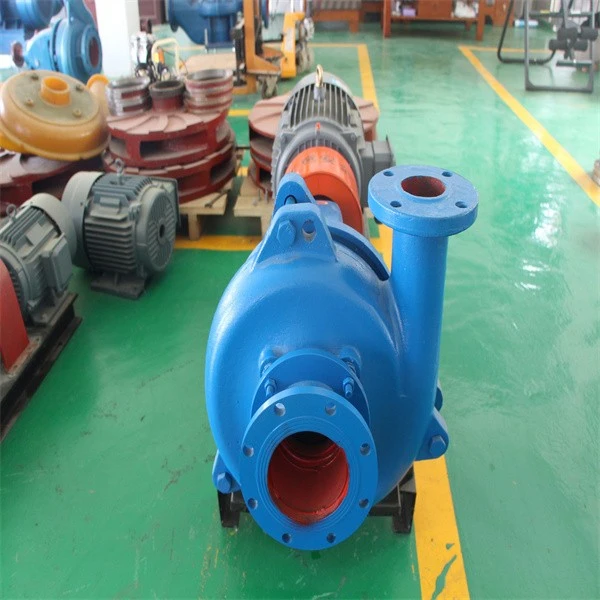

Another factor is the installation and foundation of the pump. If the pump is not installed correctly on a stable foundation, it can easily vibrate. For instance, if the foundation is not level or if the mounting bolts are loose, the pump will not be firmly fixed, and any small movement or force during operation can cause significant vibrations.
Measuring the Vibration Level
To accurately assess the vibration level of a PN Type Mud Pump, several methods can be employed. One common approach is to use vibration sensors. These sensors are typically installed on the pump housing at key locations, such as near the bearings and the impeller. The sensors can detect the amplitude, frequency, and direction of the vibrations. By analyzing these parameters, we can get a comprehensive understanding of the vibration characteristics of the pump.
The amplitude of vibration is an important indicator. It represents the maximum displacement of the vibrating object from its equilibrium position. A high amplitude of vibration usually indicates a serious problem with the pump, such as a damaged impeller or a loose component. The frequency of vibration can also provide valuable information. Different types of faults in the pump can generate vibrations at specific frequencies. For example, a misaligned shaft may produce vibrations at a frequency related to the rotational speed of the shaft.
Industry standards have been established to define the acceptable vibration levels for mud pumps. These standards take into account factors such as the pump size, speed, and application. By comparing the measured vibration levels with the standard values, we can determine whether the pump is operating within a normal range or if there are potential issues that need to be addressed.
Impact of Vibration on Pump Performance and Lifespan
Excessive vibration can have a detrimental impact on the performance and lifespan of a PN Type Mud Pump. In terms of performance, high - level vibrations can reduce the efficiency of the pump. The energy that should be used for pumping the mud is instead wasted in generating vibrations. This can lead to increased power consumption and decreased flow rate.
Vibration can also cause premature wear and tear of the pump components. The constant shaking can loosen the connections between parts, such as the bolts and nuts. It can also cause fatigue in the materials of the pump housing, impeller, and bearings. Over time, this can lead to cracks, breakages, and ultimately, the failure of the pump. For example, a vibrating bearing can experience accelerated wear of the rolling elements and the raceways, which can significantly reduce its service life.
Controlling and Reducing the Vibration Level
To control and reduce the vibration level of a PN Type Mud Pump, several measures can be taken. Firstly, proper maintenance is essential. Regularly inspecting the pump for any signs of wear, damage, or misalignment can help identify and address potential problems before they become serious. For example, balancing the impeller periodically can ensure that it rotates smoothly and reduces the vibration caused by an unbalanced impeller.
Secondly, improving the installation and foundation of the pump is crucial. Ensuring that the pump is installed on a level and stable foundation and that all mounting bolts are tightened properly can significantly reduce vibrations. Additionally, using vibration - isolating materials between the pump and the foundation can help absorb and dampen the vibrations.
Optimizing the fluid flow conditions is also important. This can be achieved by ensuring that the mud is properly conditioned before entering the pump to reduce its viscosity and the presence of large particles. Regularly cleaning the flow path to prevent blockages can also help maintain a smooth and stable flow, thereby reducing vibrations.
Comparison with Other Types of Pumps
When comparing the vibration level of PN Type Mud Pumps with other types of pumps, such as the YZ Vertical Mud Pump and the WFB Seal Free Self Priming Pump, there are some differences. The YZ Vertical Mud Pump, due to its vertical design, may have different vibration characteristics. The vertical orientation can affect the distribution of forces and the flow patterns within the pump. In general, vertical pumps may be more sensitive to the stability of the vertical support structure. If the support is not strong enough, it can lead to increased vibrations.
The WFB Seal Free Self Priming Pump, on the other hand, is designed for self - priming applications. Its internal structure and operating principles are different from those of the PN Type Mud Pump. The self - priming mechanism may introduce additional factors that can affect the vibration level. For example, the air - water separation process during self - priming can cause some fluctuations in the pressure and flow, which may result in temporary vibrations.
Compared to the Mud Slurry Pump, the PN Type Mud Pump may have a different vibration level depending on the specific design and application. Mud slurry pumps are often used to handle more abrasive and viscous slurries, which can cause more severe wear and tear on the pump components and potentially higher vibration levels. However, the design features of the PN Type Mud Pump, such as its impeller shape and the way it handles the fluid, may make it more or less prone to vibrations compared to a mud slurry pump.
Conclusion
In conclusion, the vibration level of a PN Type Mud Pump during operation is influenced by multiple factors, including mechanical movement, fluid flow, installation, and foundation. Measuring the vibration level accurately is essential for detecting potential problems and ensuring the proper operation of the pump. Excessive vibration can have a negative impact on the pump's performance and lifespan, but there are effective measures to control and reduce it.
If you are interested in our PN Type Mud Pumps or have any questions about their vibration levels or other aspects, we welcome you to contact us for further discussions and potential procurement. We are committed to providing high - quality pumps and professional technical support to meet your specific needs.
References
- "Pump Handbook" by Igor J. Karassik et al.
- Industry standards for mud pump vibration measurement and evaluation.


