

Hey there! As a supplier of submersible sludge pumps, I've seen firsthand how crucial it is to choose the right cable for these powerful machines. A submersible sludge pump is designed to handle some pretty tough jobs, pumping out thick, abrasive sludge and other debris. And the cable you use is like the lifeline of the pump - it's what provides the power and keeps everything running smoothly. So, let's dive into how you can pick the perfect cable for your submersible sludge pump.
Understanding Your Pump's Requirements
First things first, you need to know your pump inside out. Every submersible sludge pump has specific electrical requirements, and these will dictate the type of cable you need. Check the pump's manual or the specifications provided by the manufacturer. Look for details like the voltage, amperage, and power rating. These numbers are key because they'll tell you how much electricity the pump needs to operate efficiently.
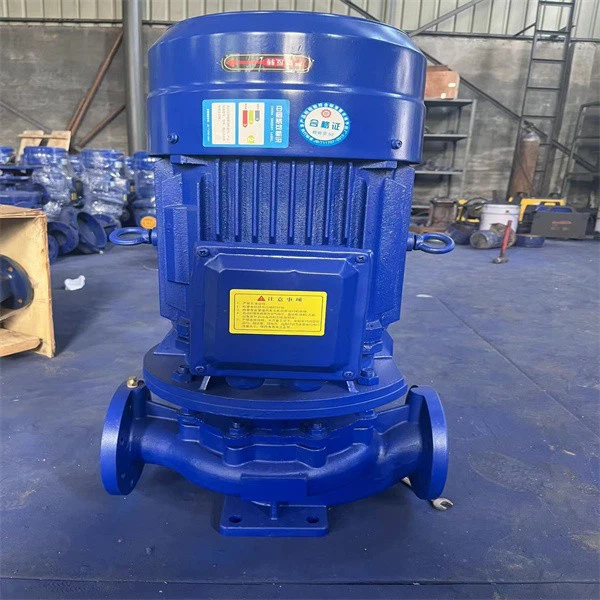

For example, if your pump has a high power rating, it'll require a cable that can handle a large amount of current without overheating. Using a cable with too low a capacity can lead to all sorts of problems, like reduced pump performance, cable damage, and even safety hazards. So, make sure you match the cable's ampacity (the maximum amount of current it can safely carry) to your pump's requirements.
Cable Type Matters
There are several types of cables out there, but not all of them are suitable for submersible sludge pumps. You'll want to look for cables that are specifically designed for wet or underwater applications. These cables are usually made with materials that can resist water, moisture, and corrosion.
One popular choice is the PVC (Polyvinyl Chloride) jacketed cable. PVC is a durable and flexible material that provides good protection against water and abrasion. It's also relatively inexpensive, making it a cost - effective option for many applications. Another option is the rubber - jacketed cable. Rubber is even more flexible than PVC and offers excellent resistance to chemicals, oils, and extreme temperatures. However, it can be a bit more expensive.
Considering the Environment
The environment where your submersible sludge pump will be operating is another important factor to consider. If the pump will be used in a harsh industrial setting with lots of chemicals, sharp objects, or extreme temperatures, you'll need a cable that can withstand these conditions.
For instance, if the sludge contains abrasive particles, you'll want a cable with a thick and tough outer jacket to prevent it from getting damaged. If the pump will be exposed to chemicals, look for a cable that's resistant to the specific chemicals in the environment. Some cables are also designed to be flame - retardant, which can be a crucial safety feature in certain settings.
Length of the Cable
The length of the cable you need depends on how far the pump will be from the power source. Keep in mind that the longer the cable, the more resistance it will have. This resistance can cause a voltage drop, which means the pump may not receive enough power to operate at its full capacity.
To minimize voltage drop, you can choose a cable with a larger cross - sectional area. A thicker cable has less resistance and can carry the same amount of current over a longer distance without significant voltage loss. You can use voltage drop calculators available online to determine the appropriate cable size based on the length and the pump's electrical requirements.
Flexibility and Durability
Since submersible sludge pumps are often moved around and may be subject to bending and twisting, you'll need a cable that's flexible and durable. A flexible cable is easier to install and maneuver, especially in tight spaces. It also reduces the risk of damage to the cable due to bending.
Durability is also key. The cable should be able to withstand the rigors of daily use, including being dragged across rough surfaces, being exposed to the elements, and being submerged in water for long periods. Look for cables with a high - quality construction and a good track record of reliability.
Safety Features
Safety should always be a top priority when choosing a cable for your submersible sludge pump. Make sure the cable has proper insulation to prevent electrical shocks. Some cables come with additional safety features, such as a grounding conductor. A grounding conductor provides a path for electrical current to flow safely to the ground in case of a fault, reducing the risk of electric shock.
You should also look for cables that meet relevant safety standards, such as UL (Underwriters Laboratories) or NEC (National Electrical Code) standards. These standards ensure that the cable has been tested and meets certain safety and performance requirements.
Cost - Benefit Analysis
Of course, cost is always a consideration. While you don't want to skimp on quality, you also don't want to overspend. Compare the prices of different cables based on their features, performance, and durability. Sometimes, paying a little more upfront for a higher - quality cable can save you money in the long run by reducing the need for frequent replacements and repairs.
Other Related Pumps
If you're in the market for other types of pumps, we also offer a range of options. Check out our Electric Sludge Pum, Vertical Mixed Flow Pumps, and Portable Slurry Pump. These pumps are designed to meet different needs and applications, and we can help you choose the right one for your specific situation.
Let's Connect
Choosing the right cable for your submersible sludge pump is a decision that can have a big impact on the pump's performance and lifespan. If you're still not sure which cable is the best fit for your pump, or if you have any other questions about our submersible sludge pumps or related products, don't hesitate to reach out. We're here to help you make the right choice and ensure that your pumping system runs smoothly. Whether you're a small - scale operation or a large industrial facility, we have the expertise and products to meet your needs.
References
- "Electrical Wiring Handbook" by Tom Henry
- Manufacturer's manuals for submersible sludge pumps
- Industry standards and guidelines for electrical cables in wet applications


