

Hey there! As a supplier of mud slurry pumps, I've seen firsthand how crucial it is to ensure the compatibility of these pumps with other equipment in a system. In this blog, I'm gonna share some tips and tricks on how to make sure your mud slurry pump plays nice with the rest of the gang.
Understanding the System
First things first, you gotta have a good grasp of the whole system where the mud slurry pump will be used. Every system is unique, with its own set of requirements and constraints. You need to know what kind of fluids the pump will be handling, the flow rate, pressure, and temperature conditions. For example, if you're dealing with a high - viscosity mud slurry, the pump needs to be able to handle that without clogging.
Let's say you're working on an oil drilling project. The mud slurry pump is an essential part of the circulation system. It pumps the drilling mud down the wellbore to cool the drill bit, carry the cuttings back to the surface, and maintain pressure in the well. In this case, the pump has to be compatible with other equipment like the shale shakers, mud cleaners, and centrifuges. If the pump can't deliver the right flow rate or pressure, the whole process can be disrupted.
Matching the Pump to the Fluid
The type of fluid the mud slurry pump will handle is a major factor in determining compatibility. Different fluids have different properties, such as density, viscosity, and abrasiveness. For instance, if you're pumping a highly abrasive slurry, you'll need a pump with wear - resistant materials. Some pumps are designed specifically for handling abrasive fluids, with features like hard - faced impellers and liners.
On the other hand, if the fluid is corrosive, you need to choose a pump made from corrosion - resistant materials. Stainless steel or special coatings can be used to protect the pump from the corrosive effects of the fluid. It's also important to consider the temperature of the fluid. High - temperature fluids can cause thermal expansion and affect the performance of the pump. Make sure the pump you choose can handle the temperature range of the fluid.
Flow Rate and Pressure Compatibility
One of the most critical aspects of compatibility is matching the flow rate and pressure of the mud slurry pump with the requirements of the system. If the pump delivers too much or too little flow, it can cause problems. For example, if the flow rate is too low, the cuttings in the drilling mud may not be carried effectively, leading to blockages in the wellbore. If the flow rate is too high, it can cause excessive wear on the equipment and increase energy consumption.
Similarly, the pressure output of the pump needs to be in line with the system requirements. In a pipeline system, the pump has to generate enough pressure to overcome the frictional losses in the pipes and deliver the fluid to the desired location. You can use flow meters and pressure gauges to measure the actual flow rate and pressure in the system and make adjustments as needed.
Physical Compatibility
The physical size and installation requirements of the mud slurry pump also need to be considered. The pump has to fit into the available space in the system. You need to check the dimensions of the pump, including its length, width, and height. Also, consider the weight of the pump, especially if it's going to be installed on a platform or in a confined space.
The connection points of the pump, such as the inlet and outlet flanges, need to match the corresponding connections on the other equipment in the system. Make sure the flange sizes, bolt patterns, and pressure ratings are compatible. If the connections don't match, you may need to use adapters, but this can add complexity and potential points of failure to the system.
Electrical and Control Compatibility
In many cases, the mud slurry pump is powered by an electric motor. The electrical requirements of the pump, such as voltage, frequency, and power rating, need to match the available power supply in the system. You also need to consider the control system of the pump. Some pumps are designed to be controlled remotely, while others may require local control.
The control system of the pump should be able to communicate effectively with the control systems of other equipment in the system. For example, in an automated process, the pump may need to start and stop based on the signals from other sensors or controllers. Make sure the communication protocols and interfaces are compatible.
Compatibility with Other Pumps in the System
In some systems, there may be multiple pumps working together. For example, in a large - scale water treatment plant, there may be a series of pumps for different stages of the treatment process. When you have multiple pumps in a system, they need to be compatible with each other.
The pumps should have similar performance characteristics, such as flow rate and pressure. If one pump is delivering a much higher flow rate than the others, it can cause imbalances in the system. You also need to consider the operating conditions of the pumps. For example, if one pump is operating at a much higher temperature than the others, it can affect the overall performance and reliability of the system.
Using Compatible Accessories
In addition to the main pump, there are often accessories that are used in conjunction with the mud slurry pump. These can include valves, filters, and sensors. The accessories need to be compatible with the pump and the rest of the system.
For example, the valves used in the system need to be able to handle the flow rate and pressure of the pump. The filters should be able to remove the appropriate size of particles from the fluid without causing excessive pressure drops. The sensors should be able to accurately measure the relevant parameters, such as flow rate, pressure, and temperature, and communicate the data effectively to the control system.
Testing and Commissioning
Once you've selected a mud slurry pump and all the other equipment for the system, it's important to conduct thorough testing and commissioning. This involves running the system under various operating conditions to make sure everything is working properly.
During the testing phase, you can check the performance of the pump, the compatibility with other equipment, and the overall functionality of the system. Look for any signs of leaks, vibrations, or abnormal noises. Make any necessary adjustments to the pump or other equipment based on the test results.
Conclusion
Ensuring the compatibility of a mud slurry pump with other equipment in a system is a complex but essential task. By considering factors like the fluid properties, flow rate, pressure, physical dimensions, electrical requirements, and control systems, you can increase the chances of a successful installation and operation of the system.

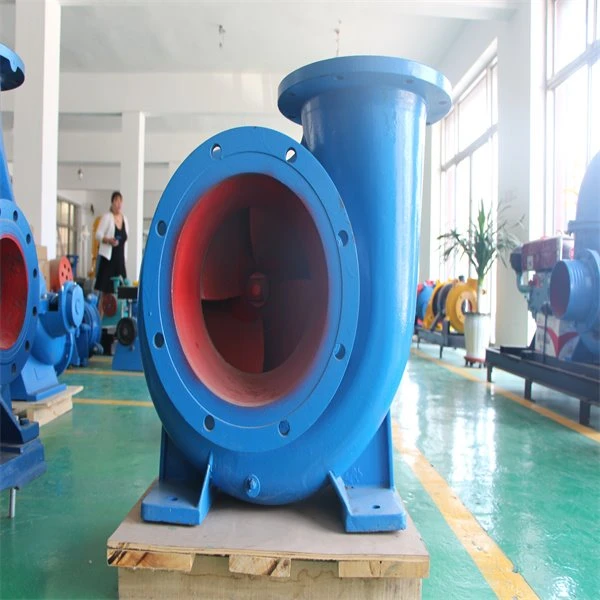
If you're in the market for a mud slurry pump or need help with ensuring compatibility in your system, don't hesitate to reach out. We're here to provide you with the best solutions and support. Whether you're interested in a HW Mixed Flow Pump, a Horizontal Pipeline Pump, or a Dc Deep Well Pump, we've got you covered. Contact us to start the procurement and negotiation process, and let's work together to build a reliable and efficient system.
References
- "Pump Handbook" by Igor J. Karassik et al.
- "Chemical Engineering Fluid Mechanics" by Ron Darby.
- Industry standards and guidelines related to mud slurry pump systems.


