

Hey there! As a supplier of Concrete Slurry Pumps, I've seen firsthand how crucial it is to ensure the stability of these machines during operation. A stable concrete slurry pump not only boosts efficiency but also cuts down on maintenance costs and extends the pump's lifespan. In this blog, I'll share some practical tips on how to keep your concrete slurry pump running smoothly.
1. Regular Maintenance and Inspection
Regular maintenance is the cornerstone of ensuring the stability of a concrete slurry pump. Just like a car needs regular oil changes and tune - ups, a slurry pump requires consistent care.
First off, check the pump's components frequently. Look at the impeller, which is like the heart of the pump. Over time, the impeller can wear out due to the abrasive nature of the concrete slurry. If it's damaged or worn, it can cause uneven flow and vibrations, which will definitely affect the pump's stability. Replace the impeller as soon as you notice significant wear.
Next, pay attention to the seals. Leaking seals can lead to a loss of pressure and efficiency. Inspect them regularly for any signs of damage or wear. If you find a leaky seal, replace it immediately. A simple seal replacement can save you from a much bigger headache down the road.
Don't forget about the hoses and pipes. They can get clogged with concrete over time, causing blockages that disrupt the flow. Check the hoses for any kinks or signs of wear. Clean or replace them as needed. A clogged hose can put extra strain on the pump, leading to instability and potential breakdowns.
2. Proper Installation
The way you install your concrete slurry pump can have a huge impact on its stability during operation.
Make sure the pump is installed on a flat and stable surface. A wobbly base can cause vibrations that will spread throughout the pump and its components. Use a level to ensure that the pump is perfectly horizontal. This will help distribute the weight evenly and reduce the risk of uneven stress on the pump.
When connecting the hoses and pipes, ensure that they are properly aligned and tightened. Loose connections can lead to leaks and pressure drops, which can affect the pump's performance. Use the right tools to make sure the connections are secure.
Also, consider the location of the pump. Avoid placing it in areas where it can be exposed to extreme temperatures, moisture, or excessive dust. These environmental factors can damage the pump's components and reduce its stability.
3. Correct Slurry Mix
The quality of the concrete slurry being pumped plays a vital role in the pump's stability.

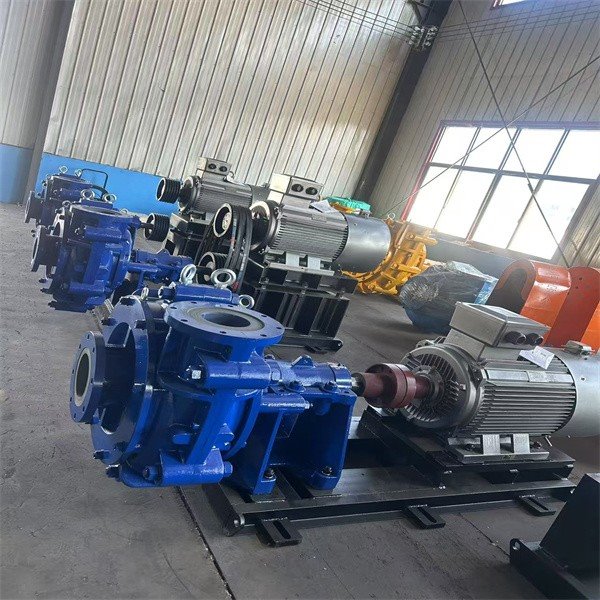
The mix should have the right consistency. If the slurry is too thick, it can put too much strain on the pump, causing it to work harder and potentially overheat. On the other hand, if the slurry is too thin, it may not have enough solids to maintain a proper flow, leading to cavitation and instability.
Test the slurry mix regularly to ensure it meets the recommended specifications. You can use a slump test to measure the consistency of the slurry. Adjust the mix as needed by adding more water or aggregates to achieve the right balance.
Another important aspect is the quality of the aggregates in the slurry. Make sure they are clean and free from any debris or large particles. Large particles can clog the pump and cause damage to the impeller and other components.
4. Operator Training
Having a well - trained operator is essential for the stable operation of a concrete slurry pump.
An operator should know how to start and stop the pump correctly. Abrupt starts and stops can cause sudden pressure changes that can damage the pump. They should also be familiar with the pump's controls and settings. For example, they need to know how to adjust the flow rate and pressure according to the requirements of the job.
Operators should be trained to monitor the pump's performance during operation. They should look out for any signs of abnormal vibrations, noises, or changes in pressure. If they notice anything unusual, they should stop the pump immediately and investigate the issue.
Regular training sessions can help operators stay updated on the latest best practices and safety procedures. This will not only improve the pump's stability but also reduce the risk of accidents.
5. Use of Quality Parts
Using high - quality parts is crucial for the long - term stability of your concrete slurry pump.
When it comes to replacement parts, don't cut corners. Cheaper parts may seem like a good deal at first, but they often wear out faster and can cause more problems in the long run. Invest in parts from reputable manufacturers that are known for their quality and durability.
For example, if you need to replace the impeller, choose one that is made from high - grade materials that can withstand the abrasive nature of the concrete slurry. The same goes for seals, hoses, and other components.
We offer a range of high - quality pumps, such as the Vacuum Slurry Pump, Electric Sludge Pum, and High Pressure Slurry Pump. These pumps are designed with the latest technology and built to last, ensuring stable operation in various applications.
6. Monitoring and Control Systems
Installing monitoring and control systems can help you keep a close eye on the pump's performance and ensure its stability.
These systems can measure parameters such as pressure, temperature, and flow rate. They can alert you if any of these parameters go outside the normal range. For example, if the pump's temperature starts to rise too high, the system can send an alarm, allowing you to take action before any serious damage occurs.
Some advanced monitoring systems can even provide real - time data and analytics. This can help you identify trends and potential issues before they become major problems. You can use this data to make informed decisions about maintenance and operation.
7. Regular Testing
Conduct regular testing of the concrete slurry pump to ensure its stability.
You can perform a performance test to measure the pump's flow rate, pressure, and efficiency. Compare the results with the manufacturer's specifications to see if the pump is operating within the normal range. If there are any deviations, investigate the cause and take corrective action.
You can also perform a vibration analysis. Excessive vibrations can be a sign of a problem with the pump's balance or alignment. By analyzing the vibrations, you can identify the source of the problem and fix it before it causes further damage.
Conclusion
Ensuring the stability of a concrete slurry pump during operation is a multi - faceted process that involves regular maintenance, proper installation, correct slurry mix, operator training, use of quality parts, monitoring and control systems, and regular testing. By following these tips, you can keep your pump running smoothly, reduce downtime, and save on maintenance costs.
If you're in the market for a reliable concrete slurry pump or need more information on how to ensure its stability, feel free to reach out to us. We're here to help you make the right choice and keep your operations running efficiently.
References
- Concrete Pump Handbook, various editions
- Industry standards and guidelines for concrete slurry pumps


