

Hey there! As a supplier of submersible sludge pumps, I've seen my fair share of issues when it comes to clogging. It's a real pain in the neck for users, and it can seriously mess up the performance and lifespan of your pump. So, in this blog post, I'm gonna share some tips on how to prevent clogging in a submersible sludge pump.
Understanding the Causes of Clogging
Before we dive into the prevention methods, it's important to understand what causes clogging in the first place. There are a few common culprits:
- Large solids: If your sludge contains large rocks, sticks, or other debris, they can get stuck in the pump's impeller or volute, causing a blockage.
- Fibrous materials: Long, stringy materials like hair, rags, or plant fibers can wrap around the impeller, reducing its efficiency and eventually leading to clogging.
- High viscosity sludge: Thick, sticky sludge can build up inside the pump, causing it to slow down or stop working altogether.
- Improper installation: If the pump is not installed correctly, it may not be able to handle the flow rate or solids content of the sludge, leading to clogging.
Prevention Methods
Now that we know what causes clogging, let's talk about how to prevent it. Here are some tips that you can follow:
1. Screen the Sludge
One of the most effective ways to prevent clogging is to screen the sludge before it enters the pump. You can use a coarse screen or a fine mesh filter to remove large solids and debris. This will help protect the pump's impeller and volute from damage and reduce the risk of clogging.
2. Use a Grinder Pump
If your sludge contains a lot of fibrous materials, you may want to consider using a grinder pump. A grinder pump is designed to shred the solids in the sludge before they enter the pump, making them easier to pump and reducing the risk of clogging. You can check out our Ah Slurry Pump, which is a great option for handling tough sludge.
3. Maintain the Pump Regularly
Regular maintenance is key to preventing clogging in a submersible sludge pump. You should clean the pump's impeller and volute regularly to remove any built-up debris or sludge. You should also check the pump's seals and gaskets for leaks and replace them if necessary. Additionally, you should lubricate the pump's bearings and motors to ensure smooth operation.
4. Monitor the Pump's Performance
It's important to monitor the pump's performance regularly to detect any signs of clogging or other issues. You can use a flow meter or a pressure gauge to measure the pump's flow rate and pressure. If you notice a decrease in flow rate or an increase in pressure, it may be a sign of clogging. You should stop the pump immediately and investigate the issue.
5. Choose the Right Pump
Choosing the right pump for your application is crucial to preventing clogging. You should consider the flow rate, solids content, and viscosity of the sludge when selecting a pump. You should also choose a pump that is designed to handle the specific type of sludge that you are pumping. For example, if you are pumping high-viscosity sludge, you may want to consider using a Vacuum Slurry Pump.
6. Install the Pump Correctly
Proper installation is essential to preventing clogging in a submersible sludge pump. You should follow the manufacturer's instructions carefully when installing the pump. You should also make sure that the pump is installed at the correct depth and that the suction pipe is properly sized and installed. Additionally, you should ensure that the pump is level and that the discharge pipe is properly supported.
Conclusion
Clogging is a common problem in submersible sludge pumps, but it can be prevented by following the tips outlined in this blog post. By screening the sludge, using a grinder pump, maintaining the pump regularly, monitoring the pump's performance, choosing the right pump, and installing the pump correctly, you can reduce the risk of clogging and ensure that your pump operates smoothly and efficiently.
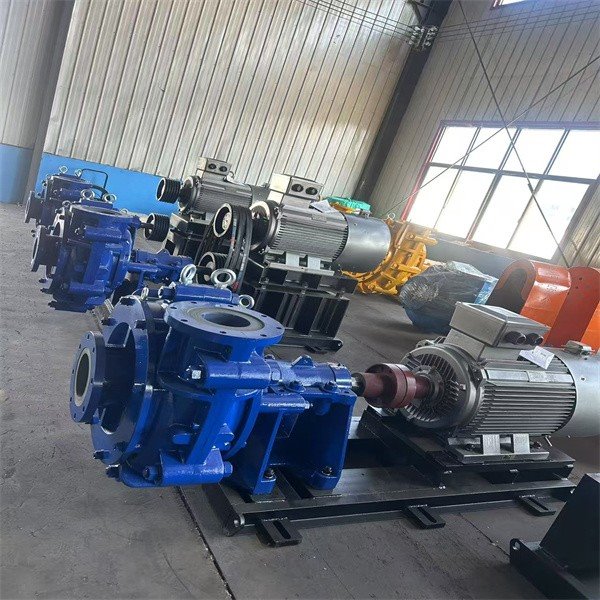

If you have any questions or need help selecting the right submersible sludge pump for your application, please don't hesitate to contact us. We're here to help you find the best solution for your needs. Whether you're looking for an Electric Sludge Pum or any other type of pump, we've got you covered. Let's start a conversation and see how we can work together to solve your pumping problems.
References
- "Sludge Pump Handbook" by XYZ Publishing
- "Pump Maintenance and Troubleshooting Guide" by ABC Industries
