

As a supplier of slurry pumps for mining, I understand the critical role that bearings play in the efficient and reliable operation of these pumps. The wear rate of bearings in a slurry pump can significantly impact the pump's performance, maintenance costs, and overall lifespan. In this blog post, I will share some effective strategies to reduce the wear rate of bearings in a slurry pump for mining.
Understanding the Causes of Bearing Wear in Slurry Pumps
Before we delve into the solutions, it's essential to understand the primary causes of bearing wear in slurry pumps. Slurry pumps are designed to handle abrasive and corrosive fluids, which can take a toll on the bearings. Here are some common factors that contribute to bearing wear:
- Abrasion: The presence of solid particles in the slurry can cause abrasion on the bearing surfaces, leading to premature wear.
- Corrosion: The corrosive nature of the slurry can attack the bearing materials, causing pitting and corrosion, which can weaken the bearings and reduce their lifespan.
- Contamination: Dust, dirt, and other contaminants can enter the bearing housing, causing damage to the bearings and increasing the wear rate.
- Overloading: Operating the pump beyond its recommended capacity can put excessive stress on the bearings, leading to accelerated wear.
- Improper Lubrication: Insufficient or improper lubrication can cause friction and heat buildup, which can damage the bearings and increase the wear rate.
Strategies to Reduce Bearing Wear in Slurry Pumps
1. Select the Right Bearings
The first step in reducing bearing wear is to select the right bearings for your slurry pump. Consider the following factors when choosing bearings:
- Material: Choose bearings made from high-quality materials that are resistant to abrasion and corrosion. For example, bearings made from stainless steel or ceramic materials are more suitable for use in slurry pumps.
- Size and Type: Select bearings that are the correct size and type for your pump. Using bearings that are too small or too large can cause premature wear and failure.
- Load Capacity: Ensure that the bearings have a sufficient load capacity to handle the operating conditions of your pump. Overloading the bearings can cause excessive wear and failure.
2. Maintain Proper Lubrication
Proper lubrication is crucial for reducing bearing wear in slurry pumps. Lubrication helps to reduce friction and heat buildup, which can damage the bearings. Here are some tips for maintaining proper lubrication:
- Use the Right Lubricant: Choose a lubricant that is specifically designed for use in slurry pumps. The lubricant should have good anti-wear and anti-corrosion properties.
- Follow the Manufacturer's Recommendations: Follow the manufacturer's recommendations for lubrication intervals and quantities. Over-lubrication or under-lubrication can cause problems.
- Monitor the Lubricant Level: Regularly check the lubricant level in the bearing housing and top it up as needed.
- Change the Lubricant Regularly: Over time, the lubricant can become contaminated with dirt, debris, and other contaminants. Change the lubricant at regular intervals to ensure optimal performance.
3. Keep the Bearings Clean
Contamination is a major cause of bearing wear in slurry pumps. Keeping the bearings clean can help to reduce wear and extend their lifespan. Here are some tips for keeping the bearings clean:
- Use Seals and Shields: Install seals and shields on the bearing housing to prevent dirt, dust, and other contaminants from entering the bearings.
- Clean the Bearing Housing Regularly: Regularly clean the bearing housing to remove any dirt, debris, or other contaminants that may have accumulated.
- Inspect the Bearings Regularly: Regularly inspect the bearings for signs of wear, damage, or contamination. If any problems are detected, take appropriate action immediately.
4. Control the Operating Conditions
Controlling the operating conditions of your slurry pump can help to reduce bearing wear. Here are some tips for controlling the operating conditions:

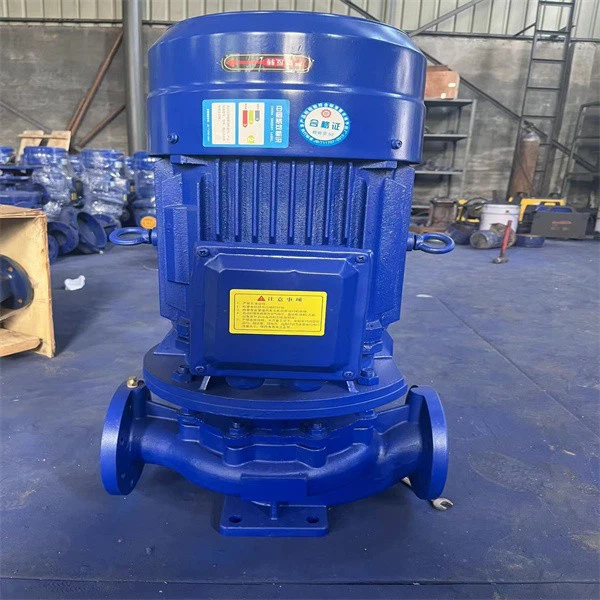
- Avoid Overloading: Operate the pump within its recommended capacity to avoid putting excessive stress on the bearings.
- Control the Temperature: High temperatures can cause the lubricant to break down and reduce its effectiveness. Monitor the temperature of the bearings and take appropriate action if the temperature exceeds the recommended range.
- Reduce Vibration: Excessive vibration can cause the bearings to wear prematurely. Install vibration dampeners or other measures to reduce vibration.
5. Conduct Regular Maintenance
Regular maintenance is essential for reducing bearing wear in slurry pumps. Here are some maintenance tasks that you should perform regularly:
- Inspect the Bearings: Regularly inspect the bearings for signs of wear, damage, or contamination. If any problems are detected, take appropriate action immediately.
- Replace Worn Bearings: If the bearings are worn beyond their recommended limits, replace them immediately.
- Clean and Lubricate the Bearings: Clean the bearings and apply fresh lubricant at regular intervals.
- Check the Alignment: Ensure that the pump and motor are properly aligned to prevent excessive stress on the bearings.
Conclusion
Reducing the wear rate of bearings in a slurry pump for mining is essential for ensuring the efficient and reliable operation of the pump. By selecting the right bearings, maintaining proper lubrication, keeping the bearings clean, controlling the operating conditions, and conducting regular maintenance, you can significantly extend the lifespan of the bearings and reduce maintenance costs.
If you are interested in learning more about our Electric Sludge Pum, Ah Slurry Pump, or Vertical Mixed Flow Pumps, or if you have any questions about reducing bearing wear in slurry pumps, please feel free to contact us. We are always happy to help you find the right solutions for your mining operations.
References
- "Bearing Selection and Application Handbook" by SKF
- "Slurry Pump Handbook" by Warman International
- "Maintenance and Troubleshooting of Slurry Pumps" by Metso Outotec


