

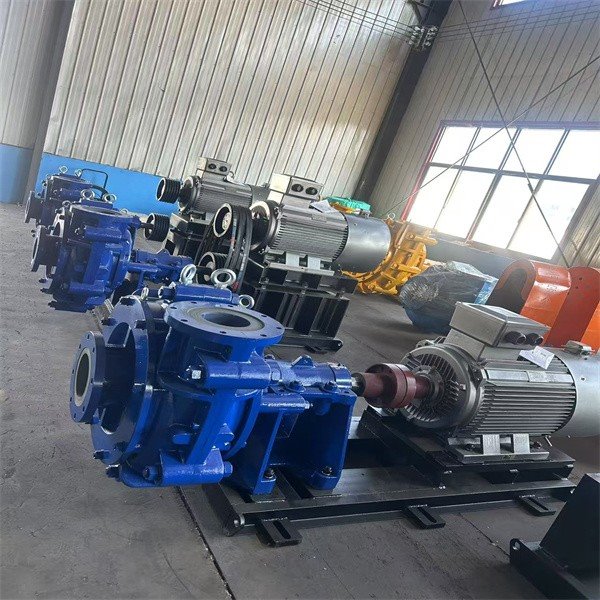
As a seasoned supplier of slurry pumps, I've witnessed firsthand the transformative impact that rubber-lined slurry pumps can have on various industrial operations. These pumps are engineered to handle abrasive, corrosive, and high-viscosity slurries, making them an indispensable asset in industries such as mining, construction, and wastewater treatment. In this blog post, I'll delve into the numerous advantages of rubber-lined slurry pumps and explain why they're the preferred choice for many businesses.
1. Exceptional Abrasion Resistance
One of the most significant advantages of rubber-lined slurry pumps is their outstanding abrasion resistance. The rubber lining acts as a protective barrier between the pump's metal components and the abrasive slurry, significantly reducing wear and tear. This is particularly crucial in industries where slurries contain hard particles such as sand, gravel, or ore.
The rubber used in these pumps is carefully selected for its high abrasion resistance properties. Natural rubber, for example, is known for its excellent resilience and ability to withstand repeated impacts from abrasive particles. Synthetic rubbers, such as neoprene and nitrile, offer additional benefits such as chemical resistance and improved performance in high-temperature environments.
By minimizing abrasion, rubber-lined slurry pumps can operate for longer periods without requiring frequent maintenance or replacement of parts. This not only reduces downtime but also lowers the overall cost of ownership. For instance, in a mining operation, a rubber-lined slurry pump can last up to three times longer than a non-lined pump, resulting in substantial savings on replacement parts and labor costs.
2. Corrosion Resistance
In addition to abrasion resistance, rubber-lined slurry pumps also offer excellent corrosion resistance. The rubber lining provides a barrier that protects the pump's metal components from contact with corrosive chemicals and acids present in the slurry. This is especially important in industries such as chemical processing, where slurries may contain highly corrosive substances.
Different types of rubber can be used to provide corrosion resistance depending on the specific chemicals present in the slurry. For example, EPDM (ethylene propylene diene monomer) rubber is resistant to a wide range of chemicals, including acids, alkalis, and solvents. Viton rubber, on the other hand, is highly resistant to fuels, oils, and many organic solvents.
By preventing corrosion, rubber-lined slurry pumps can maintain their performance and integrity over time, even in harsh chemical environments. This helps to extend the pump's lifespan and ensures reliable operation, reducing the risk of costly breakdowns and repairs.
3. Noise and Vibration Reduction
Another advantage of rubber-lined slurry pumps is their ability to reduce noise and vibration. The rubber lining acts as a shock absorber, dampening the vibrations generated by the pump's operation. This not only makes the pump quieter but also reduces the stress on the pump's components, extending their lifespan.
In industrial settings, excessive noise and vibration can be a significant problem, not only for the comfort of workers but also for the long-term health of the equipment. By using rubber-lined slurry pumps, businesses can create a more comfortable and safer working environment while also improving the reliability and efficiency of their operations.
4. High Efficiency
Rubber-lined slurry pumps are designed to operate with high efficiency, delivering maximum performance with minimal energy consumption. The smooth inner surface of the rubber lining reduces friction, allowing the slurry to flow more easily through the pump. This results in lower energy requirements and reduced operating costs.
In addition, the design of rubber-lined slurry pumps is optimized to minimize internal leakage, ensuring that the pump can maintain its performance even under high-pressure conditions. This means that businesses can achieve the same level of output with less energy, resulting in significant savings on electricity bills.
5. Versatility
Rubber-lined slurry pumps are highly versatile and can be used in a wide range of applications. They can handle slurries with different viscosities, densities, and particle sizes, making them suitable for various industries and processes.
For example, in the mining industry, rubber-lined slurry pumps are used to transport ore slurries from the mine to the processing plant. In the construction industry, they are used to pump concrete slurries for building foundations and structures. In the wastewater treatment industry, they are used to handle sludge and other waste materials.
The versatility of rubber-lined slurry pumps also extends to their installation options. They can be installed horizontally or vertically, depending on the specific requirements of the application. This flexibility allows businesses to optimize their pumping systems and ensure efficient operation.
6. Easy Maintenance
Maintaining a rubber-lined slurry pump is relatively straightforward compared to other types of pumps. The rubber lining can be easily inspected for wear and damage, and if necessary, it can be replaced without having to replace the entire pump. This reduces downtime and maintenance costs.
In addition, the smooth surface of the rubber lining makes it less likely for debris and particles to accumulate inside the pump, reducing the risk of clogging and blockages. This further simplifies maintenance and ensures reliable operation.
Applications of Rubber-Lined Slurry Pumps
The unique advantages of rubber-lined slurry pumps make them suitable for a wide range of applications across various industries. Here are some common examples:
- Mining: In the mining industry, rubber-lined slurry pumps are used to transport ore slurries from the mine to the processing plant. They can handle high concentrations of abrasive particles and corrosive chemicals, making them ideal for this demanding application.
- Construction: Concrete Slurry Pump are used in the construction industry to pump concrete slurries for building foundations, structures, and other applications. The rubber lining provides excellent abrasion resistance, ensuring that the pump can handle the high-pressure and high-viscosity concrete slurries.
- Wastewater Treatment: Rubber-lined slurry pumps are used in wastewater treatment plants to handle sludge and other waste materials. They can handle the corrosive and abrasive nature of the wastewater, ensuring reliable operation and long service life.
- Chemical Processing: In the chemical processing industry, rubber-lined slurry pumps are used to transport corrosive chemicals and acids. The rubber lining provides a barrier that protects the pump's metal components from corrosion, ensuring safe and reliable operation.
- Industrial Sludge Handling: Industrial Sludge Pump are used in various industrial processes to handle sludge and other waste materials. They can handle high-viscosity slurries and abrasive particles, making them suitable for this challenging application.
- Vacuum Applications: Vacuum Slurry Pump are used in applications where a vacuum is required to transport slurries. The rubber lining provides excellent sealing properties, ensuring that the pump can maintain the required vacuum level.
Conclusion
In conclusion, rubber-lined slurry pumps offer a multitude of advantages that make them the preferred choice for many industrial applications. Their exceptional abrasion and corrosion resistance, noise and vibration reduction, high efficiency, versatility, and easy maintenance make them a reliable and cost-effective solution for handling abrasive, corrosive, and high-viscosity slurries.
If you're in the market for a slurry pump, I encourage you to consider a rubber-lined option. Our company specializes in providing high-quality rubber-lined slurry pumps that are designed to meet the specific needs of your application. We offer a wide range of models and sizes to choose from, and our experienced team can help you select the right pump for your requirements.
Contact us today to learn more about our rubber-lined slurry pumps and how they can benefit your business. We look forward to the opportunity to work with you and provide you with the best pumping solutions.

References
- "Slurry Pump Handbook" by Paul A. Durst
- "Abrasion and Erosion: Predictive Techniques for Engineering Materials, Components and Systems" by George E. Totten
- "Corrosion Resistance of Rubber Materials" by the Rubber Manufacturers Association


