

Hey there! I'm a supplier of Vertical Pipeline Pumps, and today I want to chat about the factors that affect the suction performance of these pumps. You see, understanding these factors is crucial for anyone looking to get the most out of their vertical pipeline pump, whether you're in the industrial sector, agriculture, or any other field that relies on fluid transfer.
1. Pump Design and Geometry
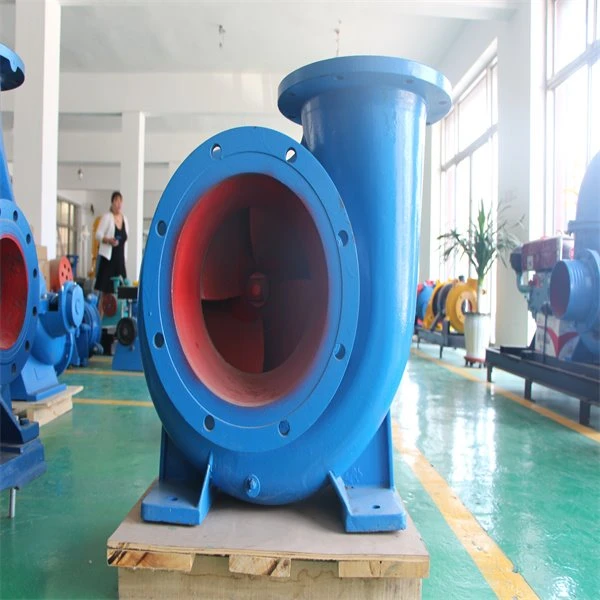
First off, let's talk about the pump design itself. The impeller, which is the heart of the pump, plays a huge role in suction performance. The shape, size, and number of blades on the impeller can all impact how well the pump can draw in fluid. A well - designed impeller with the right blade angle and curvature can create a strong suction force. For example, an impeller with a larger diameter can generally handle more fluid and generate a better suction lift.
The volute casing also matters. It's the housing that surrounds the impeller and helps to convert the kinetic energy of the fluid into pressure energy. If the volute casing is poorly designed, it can cause flow losses and reduce the suction performance of the pump. A smooth and properly shaped volute casing allows for a more efficient flow of fluid, which in turn improves suction.
2. Fluid Properties
The properties of the fluid being pumped are another major factor. Viscosity is a key one. If the fluid is highly viscous, like thick oil or some types of sludge, it will be more difficult for the pump to suck it in. High - viscosity fluids offer more resistance to flow, which means the pump has to work harder to create the necessary suction. For instance, a vertical pipeline pump that works well with water might struggle when it comes to pumping a thick syrup.
The density of the fluid also affects suction performance. Heavier fluids require more energy to lift, so a pump needs to be designed to handle the specific density of the fluid it will be working with. Additionally, the presence of air or gas in the fluid can cause problems. If there are air bubbles in the fluid, it can lead to cavitation, which is a phenomenon where vapor bubbles form and collapse in the pump, causing damage and reducing suction efficiency.
3. Inlet Conditions
The conditions at the inlet of the pump are super important. The inlet pipe diameter matters a lot. If the inlet pipe is too small, it can restrict the flow of fluid into the pump, reducing the suction performance. On the other hand, if the inlet pipe is too large, it can cause the fluid to flow too slowly, which can also be a problem. The length of the inlet pipe is another factor. A longer inlet pipe means more friction losses, which can decrease the suction head available at the pump.
The elevation of the fluid source relative to the pump is also crucial. If the fluid source is below the pump, the pump has to create a greater suction lift to draw the fluid in. This can put more strain on the pump and may require a pump with a higher suction capacity. For example, if you're pumping water from a well that's deep underground, the pump needs to be able to handle the additional suction lift.

4. System Resistance
The overall resistance in the system can have a big impact on the suction performance of a vertical pipeline pump. This includes things like valves, filters, and fittings in the pipeline. Valves that are partially closed or filters that are clogged can increase the resistance to flow, making it harder for the pump to suck in the fluid.
The layout of the pipeline also matters. Sharp bends, elbows, and sudden changes in pipe diameter can cause flow disturbances and increase the system resistance. A well - designed pipeline with smooth bends and consistent pipe diameters will reduce the resistance and improve the suction performance of the pump.
5. Operating Conditions
The speed at which the pump operates is an important factor. If the pump is running at too low a speed, it may not be able to generate enough suction force. On the other hand, running the pump at too high a speed can cause problems like cavitation and excessive wear on the pump components. It's important to operate the pump within its recommended speed range to ensure optimal suction performance.
The temperature of the environment can also affect the pump's suction performance. In hot environments, the fluid may be more likely to vaporize, which can lead to cavitation. Cold temperatures can cause some fluids to become more viscous, as mentioned earlier, making it harder for the pump to suck them in.
Related Pump Types
If you're in the market for pumps, you might also be interested in some other types. Check out the ZW Self Priming Sewage Pump, which is great for handling sewage and other waste fluids. The HW Mixed Flow Pump is another option, suitable for applications where a combination of high flow and moderate head is required. And if you're looking for a self - priming pump without a seal, the WFB Seal Free Self Priming Pump could be a good choice.
Conclusion
So, there you have it - the main factors that affect the suction performance of a vertical pipeline pump. As a supplier, I know how important it is to consider all these factors when choosing a pump for a specific application. Whether it's the design of the pump, the properties of the fluid, the inlet conditions, the system resistance, or the operating conditions, each one plays a crucial role in how well the pump will perform.
If you're in need of a vertical pipeline pump or have any questions about suction performance, don't hesitate to reach out. We're here to help you find the right pump for your needs and ensure that it operates at its best. Let's have a chat and see how we can work together to get your fluid - handling job done efficiently.
References
- "Pump Handbook" by Igor Karassik et al.
- "Fluid Mechanics" by Frank White


