

Industrial sludge pumps play a critical role in various industries, from wastewater treatment plants to mining operations. As a well - established industrial sludge pump supplier, I understand the importance of proper storage requirements to maintain the efficiency and longevity of these pumps. In this blog, I will delve into the key factors to consider when storing industrial sludge pumps.
Environmental Conditions
Temperature
The temperature of the storage environment is a crucial factor. Extreme temperatures can have a negative impact on the pump's components. High temperatures can cause the lubricants in the pump to break down, leading to increased friction and wear on moving parts. On the other hand, low temperatures can make the lubricants more viscous, which may impede the smooth operation of the pump when it is put back into use.
For most industrial sludge pumps, a storage temperature range between 10°C and 30°C (50°F and 86°F) is ideal. If the storage area is subject to significant temperature fluctuations, it may be necessary to install temperature - controlling equipment such as heaters or air - conditioners.
Humidity
Humidity can also pose a significant threat to industrial sludge pumps. High humidity levels can lead to corrosion of the pump's metal parts, especially if the pump is not properly coated or protected. Corrosion can weaken the structural integrity of the pump and cause leaks or other malfunctions.
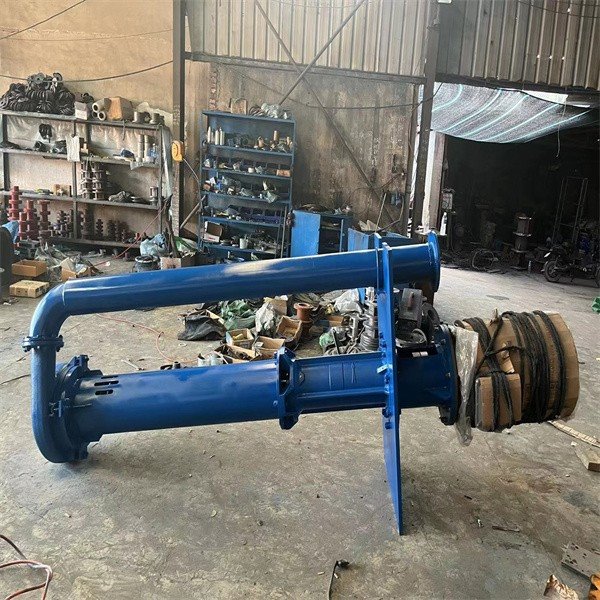

To prevent corrosion due to humidity, the storage area should have a relative humidity level below 60%. Dehumidifiers can be used in areas with high humidity to maintain the appropriate level. Additionally, the pump should be stored in a dry location, away from sources of water such as leaky pipes or open windows.
Dust and Debris
Dust and debris can accumulate on the pump's components during storage, which can cause problems when the pump is restarted. Dust particles can enter the pump's internal mechanisms and clog filters or damage seals. To protect the pump from dust and debris, it should be covered with a protective tarp or stored in an enclosed cabinet. Regular cleaning of the storage area can also help reduce the amount of dust and debris that comes into contact with the pump.
Pump Preparation for Storage
Cleaning
Before storing an industrial sludge pump, it is essential to clean it thoroughly. Sludge and other contaminants can harden over time and cause damage to the pump's components. Start by flushing the pump with clean water to remove as much sludge as possible. Then, use a suitable cleaning agent to clean the exterior of the pump, paying special attention to areas where sludge may have accumulated, such as the impeller and the casing.
Lubrication
Proper lubrication is vital for the long - term storage of the pump. Lubricate all moving parts, such as bearings and shafts, with the recommended lubricant. This will prevent rust and corrosion and ensure that the parts move smoothly when the pump is put back into operation. Make sure to follow the manufacturer's instructions regarding the type and amount of lubricant to use.
Sealing
Seal all openings of the pump, including the inlet, outlet, and any access ports. This will prevent dust, moisture, and debris from entering the pump's internal components. Use high - quality gaskets and seals to ensure a tight fit.
Storage Location
Indoor vs. Outdoor Storage
Indoor storage is generally preferred for industrial sludge pumps because it provides better protection from environmental elements. An indoor storage facility can be temperature - and humidity - controlled, reducing the risk of damage to the pump due to extreme conditions. However, if indoor storage is not available, outdoor storage can be an option, but additional precautions must be taken.
If storing the pump outdoors, it should be placed on a raised platform to prevent water from pooling around it. The pump should also be covered with a heavy - duty, waterproof tarp to protect it from rain, snow, and sunlight.
Elevation
The pump should be stored at an appropriate elevation. Storing the pump on a flat, level surface is crucial to prevent it from tipping over. Additionally, if the storage area is prone to flooding, the pump should be elevated to a safe height to avoid water damage.
Maintenance during Storage
Regular Inspections
Even during storage, regular inspections of the pump are necessary. Check the pump for signs of corrosion, leaks, or damage at least once every three months. If any issues are detected, they should be addressed immediately to prevent further damage.
Rotating the Impeller
To prevent the impeller from sticking in one position during storage, it should be rotated manually every few weeks. This will help ensure that the impeller remains free - moving and ready for operation when needed.
Impact of Storage on Pump Performance
Proper storage has a direct impact on the performance of the industrial sludge pump. A well - stored pump will experience less wear and tear, which translates into longer lifespan and fewer breakdowns. When the pump is stored under the right conditions, its efficiency is also maintained. For example, if the pump's bearings are properly lubricated and protected from corrosion during storage, they will continue to function smoothly when the pump is restarted, leading to better overall performance.
Related Products
As a supplier, we offer a wide range of related products. Our Concrete Slurry Pump is designed to handle the tough task of pumping concrete slurry, which has different characteristics compared to industrial sludge. The Electric Sludge Pum provides a reliable and energy - efficient solution for sludge pumping. And our Vertical Mixed Flow Pumps are suitable for applications where a combination of high flow and moderate head is required.
Conclusion
In conclusion, proper storage of industrial sludge pumps is essential to ensure their long - term performance and reliability. By paying attention to environmental conditions, preparing the pump for storage, choosing the right storage location, and performing regular maintenance during storage, you can extend the lifespan of your pump and avoid costly repairs and replacements.
If you are in the market for an industrial sludge pump or need more information about proper storage and maintenance, we are here to help. Contact us for a detailed discussion on how our products can meet your specific needs and to start a procurement negotiation.
References
- Manufacturer's manuals for industrial sludge pumps
- Industry standards for pump storage and maintenance
- Research papers on the impact of environmental factors on pump performance


