

As a supplier of Vertical Mixed Flow Pumps, I often get asked about the cost of these pumps. The cost of a vertical mixed flow pump can vary significantly based on a multitude of factors, and understanding these factors is crucial for anyone looking to invest in this type of equipment.
Factors Affecting the Cost
Pump Size and Capacity
One of the most obvious factors influencing the cost is the size and capacity of the pump. Larger pumps with higher flow rates and greater head capabilities generally cost more. A small - scale vertical mixed flow pump designed for low - volume applications, such as in a small agricultural pond, will be much less expensive than a large - scale pump used in industrial water management or large - scale irrigation projects. For instance, a pump with a flow rate of 10 cubic meters per hour might cost a few hundred dollars, while a pump capable of handling 1000 cubic meters per hour could cost tens of thousands of dollars.
Material of Construction
The materials used to build the pump play a vital role in determining its cost. Pumps made from high - quality, corrosion - resistant materials like stainless steel or special alloys are more expensive than those made from standard cast iron. In environments where the pumped fluid is corrosive, such as in chemical plants or coastal areas, using a pump made of a corrosion - resistant material is essential. However, this comes at a higher price. For example, a cast - iron vertical mixed flow pump might cost around $1000 - $3000, while a stainless - steel version of a similar size could cost $3000 - $6000 or more.
Design and Technology
Advanced pump designs and technologies can also drive up the cost. Pumps with energy - efficient designs, such as those with variable - speed drives, are more expensive initially but can save a significant amount of money on energy costs over the long term. Additionally, pumps with smart monitoring systems that can detect issues in real - time and provide data for predictive maintenance are pricier. These features add value by increasing the pump's reliability and reducing downtime, but they come at an additional cost.
Brand and Manufacturer
Well - known brands and manufacturers often charge a premium for their products. This is because they have a reputation for quality, reliability, and good after - sales service. A pump from a well - established brand might cost 20% - 50% more than a similar pump from a lesser - known manufacturer. However, the peace of mind that comes with buying from a trusted brand can be worth the extra cost, especially for critical applications.
Cost Breakdown
Let's break down the cost of a vertical mixed flow pump into different components:
Initial Purchase Cost
This is the upfront cost of buying the pump. It includes the cost of the pump itself, the motor, and any basic accessories that come with it. As mentioned earlier, this cost can vary widely depending on the factors discussed above.
Installation Cost
Installing a vertical mixed flow pump requires professional expertise. The installation cost includes labor, the cost of piping, valves, and other related equipment. In some cases, the installation cost can be as much as 20% - 30% of the pump's purchase price. For example, if a pump costs $5000, the installation cost could be around $1000 - $1500.
Operating Cost
The operating cost mainly consists of energy consumption. The energy efficiency of the pump has a direct impact on this cost. A more energy - efficient pump will consume less electricity, resulting in lower operating costs over time. Additionally, the cost of maintenance and repairs also contributes to the operating cost. Regular maintenance, such as lubrication, seal replacement, and impeller inspection, is necessary to keep the pump running smoothly.
Lifecycle Cost
The lifecycle cost takes into account the initial purchase cost, installation cost, operating cost, and the cost of eventual replacement. A pump with a higher initial cost but lower operating and maintenance costs might have a lower lifecycle cost compared to a cheaper pump with higher long - term expenses.

Comparison with Other Types of Pumps
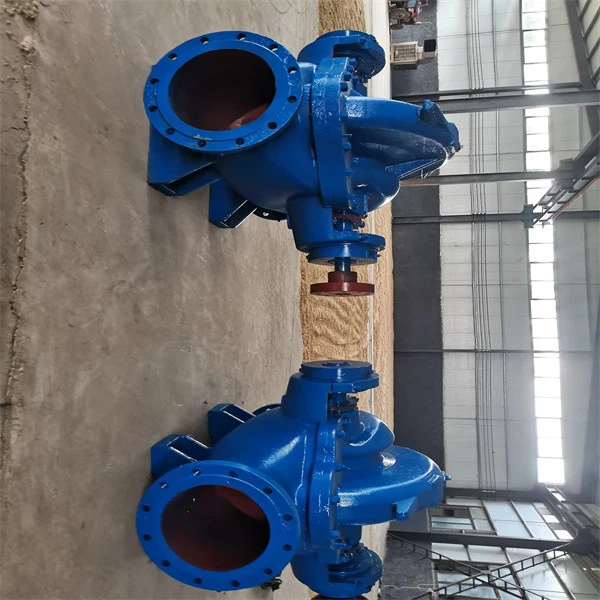
When considering the cost of a vertical mixed flow pump, it's useful to compare it with other types of pumps. For example, Centrifugal Sludge Pump is designed to handle sludge and other viscous fluids. These pumps often have a different design and construction, which can affect their cost. In general, centrifugal sludge pumps might be more expensive than vertical mixed flow pumps if they are designed for heavy - duty applications with high - abrasion resistance requirements.
Small Sludge Pump is another option for handling small - scale sludge pumping tasks. These pumps are typically less expensive than vertical mixed flow pumps, but they have limited capacity and might not be suitable for larger - scale applications.
Portable Slurry Pump offers the advantage of mobility. They are often used in construction sites and other applications where the pump needs to be moved around. The cost of a portable slurry pump can vary depending on its size and features, but in some cases, it might be comparable to or slightly more expensive than a small - to - medium - sized vertical mixed flow pump.
How to Get the Best Value
To get the best value when purchasing a vertical mixed flow pump, it's important to consider the following:
Conduct a Thorough Needs Assessment
Understand your specific requirements, such as the flow rate, head, and the nature of the pumped fluid. This will help you choose the right pump size and type, avoiding over - or under - sizing, which can lead to unnecessary costs.
Compare Quotes from Multiple Suppliers
Don't settle for the first quote you receive. Get quotes from several suppliers and compare the features, quality, and prices of their pumps. This will give you a better idea of the market price and help you find the best deal.
Consider the Lifecycle Cost
Instead of focusing solely on the initial purchase cost, look at the overall lifecycle cost of the pump. A pump with a slightly higher initial cost but lower operating and maintenance costs might be a better long - term investment.
Conclusion
The cost of a vertical mixed flow pump is influenced by many factors, including size, material, design, and brand. Understanding these factors and conducting a thorough cost analysis is essential for making an informed purchasing decision. As a supplier, I am committed to providing high - quality vertical mixed flow pumps at competitive prices. If you are in the market for a vertical mixed flow pump, I encourage you to reach out to me for more information and to discuss your specific needs. We can work together to find the best pump solution for your application at a cost that fits your budget.
References
- "Pump Handbook" by Igor J. Karassik et al.
- Industry reports on pump manufacturing and pricing trends.


