Hey there! As a supplier of Ah Slurry Pumps, I often get asked about the various components of these pumps and their functions. One of the key parts that plays a crucial role in the smooth operation of an Ah Slurry Pump is the bearing. So, let's dive into what the function of the bearing in an Ah Slurry Pump is.
First off, let's quickly understand what an Ah Slurry Pump is. An Ah Slurry Pump is a type of pump specifically designed to handle abrasive and corrosive slurries. These pumps are widely used in industries like mining, where they need to move large volumes of slurry that contains solid particles. You can check out more about Slurry Pump for Mining on our website.
Now, back to the bearings. Bearings in an Ah Slurry Pump are like the unsung heroes. They're small but mighty, and they perform several important functions that keep the pump running efficiently.
1. Support the Shaft
The main function of the bearing in an Ah Slurry Pump is to support the pump shaft. The shaft is the component that connects the impeller (the part that moves the slurry) to the motor. When the motor rotates, it transfers the rotational force to the shaft, which then spins the impeller. The bearings hold the shaft in place and allow it to rotate smoothly. Without proper support from the bearings, the shaft could wobble or misalign, which would lead to uneven wear on the impeller and other components. This could cause the pump to vibrate excessively, reduce its efficiency, and even lead to premature failure.
2. Reduce Friction
Another important function of the bearings is to reduce friction between the rotating shaft and the stationary parts of the pump. Friction is the force that resists the relative motion of two surfaces in contact. When the shaft rotates, it rubs against the pump housing and other components. If there were no bearings, this friction would generate a lot of heat, which could damage the shaft and other parts of the pump. Bearings are designed with special materials and lubricants that minimize friction. They act as a buffer between the shaft and the housing, allowing the shaft to rotate with minimal resistance. This not only reduces wear and tear on the components but also improves the overall efficiency of the pump.
3. Absorb Radial and Axial Loads
In addition to supporting the shaft and reducing friction, bearings in an Ah Slurry Pump also need to absorb radial and axial loads. Radial loads are forces that act perpendicular to the axis of the shaft. In a slurry pump, these loads are generated by the weight of the impeller and the forces exerted by the flowing slurry. Axial loads, on the other hand, are forces that act parallel to the axis of the shaft. These loads can be caused by the thrust generated by the impeller as it moves the slurry. Bearings are designed to handle both types of loads. They are made of strong and durable materials that can withstand the high forces and pressures exerted on them. By absorbing these loads, the bearings protect the shaft and other components from damage.
4. Maintain Alignment
Proper alignment is crucial for the efficient operation of an Ah Slurry Pump. If the shaft is not aligned correctly, it can cause uneven wear on the impeller, bearings, and other components. Bearings help to maintain the alignment of the shaft by keeping it in a fixed position relative to the pump housing. They ensure that the shaft rotates in a straight line, which reduces vibration and improves the overall performance of the pump.
5. Protect Against Contamination
Slurry pumps operate in harsh environments where they are exposed to abrasive particles, chemicals, and moisture. These contaminants can damage the bearings and reduce their lifespan. To protect against contamination, bearings in an Ah Slurry Pump are often sealed or shielded. Sealed bearings have a rubber or plastic seal that prevents contaminants from entering the bearing. Shielded bearings have a metal shield that provides some protection against contamination while allowing for better ventilation. By keeping contaminants out, the bearings can operate more reliably and last longer.
Types of Bearings Used in Ah Slurry Pumps
There are several types of bearings that can be used in Ah Slurry Pumps, each with its own advantages and disadvantages.
Ball Bearings
Ball bearings are the most common type of bearing used in slurry pumps. They consist of a series of small balls that are held in place by a cage. Ball bearings are designed to handle both radial and axial loads. They are relatively inexpensive, easy to install, and have a low friction coefficient. However, they are not as durable as some other types of bearings and may not be suitable for high-load applications.
Roller Bearings
Roller bearings are another type of bearing commonly used in Ah Slurry Pumps. They are similar to ball bearings, but instead of balls, they use cylindrical or tapered rollers. Roller bearings can handle higher radial loads than ball bearings, making them more suitable for heavy-duty applications. They are also more durable and have a longer lifespan. However, they are more expensive and require more precise installation.
Thrust Bearings
Thrust bearings are specifically designed to handle axial loads. In an Ah Slurry Pump, the impeller generates a thrust force as it moves the slurry. Thrust bearings are used to absorb this force and prevent it from damaging the shaft and other components. They are often used in combination with radial bearings to provide complete support for the shaft.
Choosing the Right Bearings
Choosing the right bearings for an Ah Slurry Pump is crucial for its performance and reliability. When selecting bearings, you need to consider several factors, such as the type of load (radial or axial), the speed of the shaft, the operating temperature, and the level of contamination in the environment. It's also important to choose bearings that are made of high-quality materials and have a good reputation for reliability.
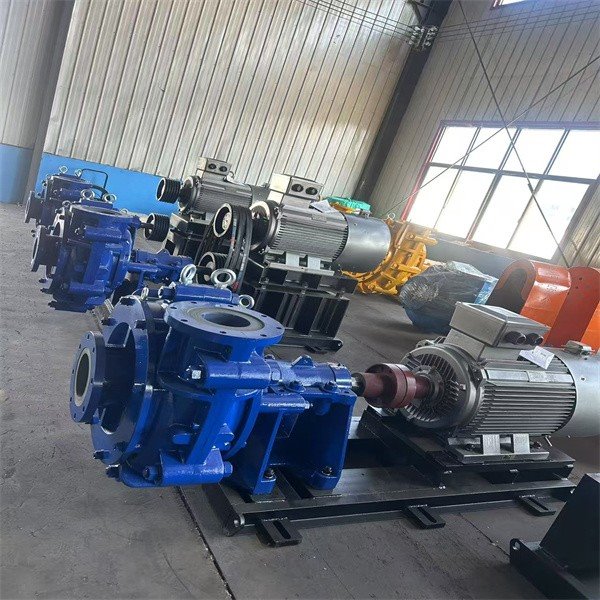

As a supplier of Ah Slurry Pumps, we have a team of experts who can help you choose the right bearings for your specific application. We offer a wide range of bearings from leading manufacturers, so you can be sure that you're getting the best quality products.
Maintaining the Bearings
Proper maintenance of the bearings is essential for the long-term performance of an Ah Slurry Pump. Here are some tips for maintaining the bearings:
- Lubrication: Make sure the bearings are properly lubricated. Lubrication helps to reduce friction and prevent wear. Follow the manufacturer's recommendations for the type and frequency of lubrication.
- Inspection: Regularly inspect the bearings for signs of wear, damage, or contamination. Look for things like cracks, pitting, or excessive play. If you notice any problems, replace the bearings immediately.
- Alignment: Check the alignment of the shaft and the bearings regularly. Misalignment can cause premature wear and failure of the bearings. If the alignment is off, adjust it as needed.
- Cleaning: Keep the bearings and the surrounding area clean. Remove any dirt, debris, or contaminants that may have accumulated. This will help to prevent contamination and extend the life of the bearings.
Conclusion
In conclusion, the bearing is a critical component of an Ah Slurry Pump. It supports the shaft, reduces friction, absorbs loads, maintains alignment, and protects against contamination. By understanding the function of the bearing and taking proper care of it, you can ensure that your Ah Slurry Pump operates efficiently and reliably for a long time.
If you're in the market for an Ah Slurry Pump or need more information about bearings and other pump components, feel free to contact us. We're here to help you find the right solution for your specific needs. Whether you're looking for a Slurry Pump for Mining or a Vacuum Slurry Pump, we've got you covered. Let's work together to keep your operations running smoothly!
References
- "Slurry Pump Handbook" by J. M. Coulson and J. F. Richardson
- "Pump Engineering" by I. J. Karassik, W. C. Krutzsch, and C. C. Cooper
- Manufacturer's manuals for Ah Slurry Pumps and bearings