

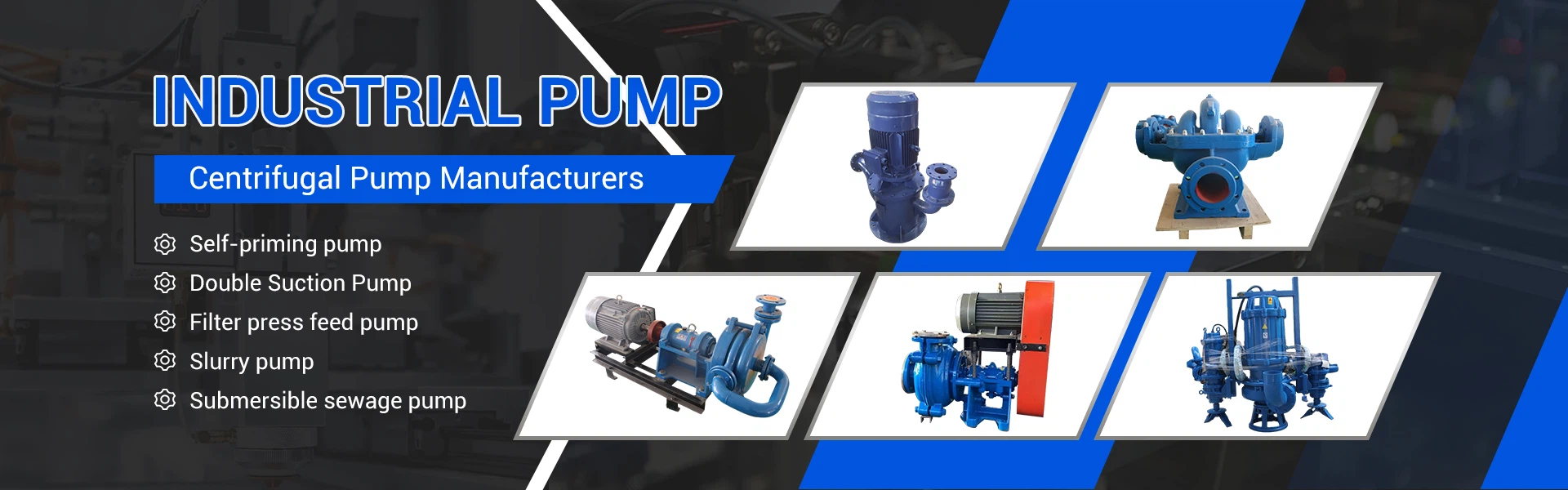
A horizontal centrifugal slurry pump and a submersible slurry pump both move slurry, but their installation is different. A horizontal pump is installed on a base near the pipeline. It uses a motor, bearing frame, shaft and wet end to move slurry through the casing. This type is common in mineral processing plants, coal washing lines, ash transfer and tailings pipelines.
A submersible slurry pump works directly in the liquid. The motor and pump body are sealed, and the unit can be lowered into a pit, pond or sump. This reduces suction pipe problems and helps when the slurry source is below floor level. Some submersible pumps can add an agitator to stir settled sludge or sand before pumping.
The centrifugal vs submersible slurry pump choice depends on layout. If the system needs a fixed process pump with regular inspection access, a horizontal centrifugal pump may be better. If the pump must work in a deep pit or temporary dredging area, a submersible type may be easier. Flow, head, solids, cable length, motor protection and maintenance space should be checked before making the final centrifugal vs submersible slurry pump choice.
Maintenance access is another difference. A horizontal pump is easier to open in a pump room, while a submersible pump must be lifted from the pit for inspection. This should be considered before purchase, especially when the site runs every day.


