

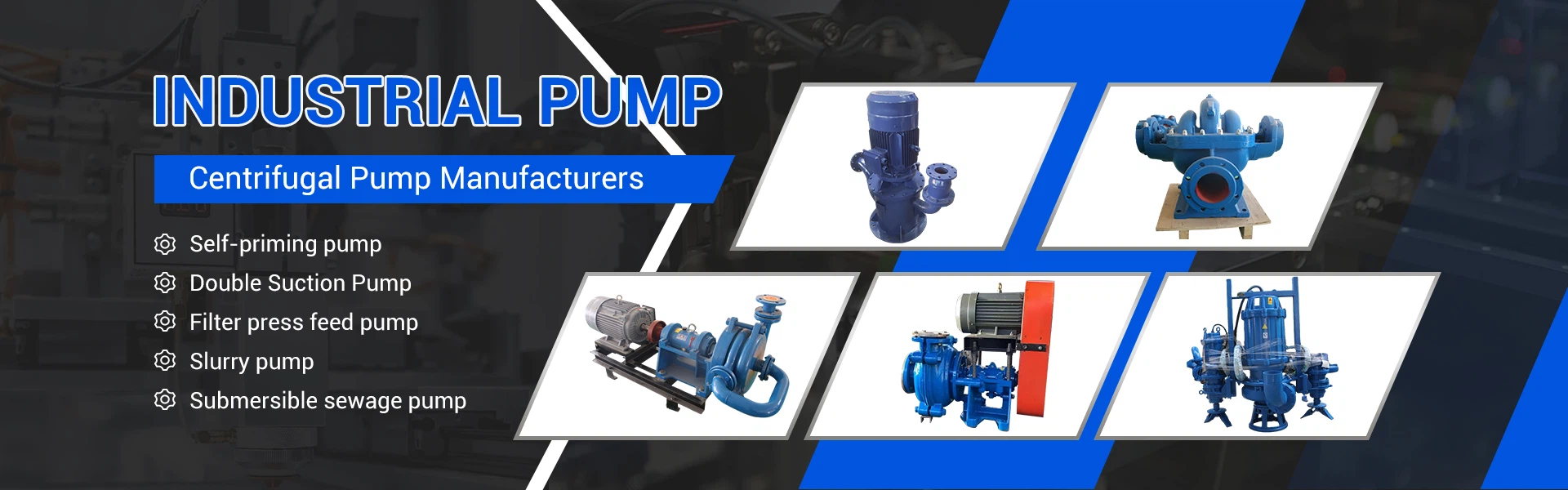
There are several types of slurry pumps, and each type fits a different site condition. Horizontal centrifugal slurry pumps are often used for process transfer, mine slurry, coal washing and tailings pipelines. They are installed on a base and connected with inlet and outlet pipes. The wet end can use wear-resistant alloy or rubber lining.
Vertical slurry pumps are used in sumps and pits. The motor stays above the liquid, while the pump wet end works under liquid level. This form is useful when slurry collects below the floor. Submersible slurry pumps place both pump body and motor in the liquid. They are used for dredging, sludge pits, sediment removal and wastewater work. Some submersible pumps can use an agitator to loosen settled solids.
Other types of slurry pumps include high-head pumps for long distance transfer, corrosion-resistant pumps for chemical slurry, and hydraulic sludge pumps for mobile construction work. The best type depends on flow, head, slurry density, solid size, pit depth and pipeline layout. Selecting by type first can make the later model choice much easier.
Site layout can also change the choice. A plant with fixed pipes may prefer a horizontal type, but a workshop pit may need a vertical sump pump. A temporary pond or dredging area may need a submersible type. The right choice comes from matching the pump form with the real slurry source.


